Financial Accounting vs. Management Accounting
Financial accounting and management accounting are two equally important branches of accounting within any organization. Accounting plays a central role in organizational operations. At a broader level, accounting involves establishing, managing, and auditing an organization’s financial records. Using only figures on sales, overheads, and purchases, accountants can analyze the organization’s financial position in real time. These records are chronologically organized and then interpreted. Ultimately, the present and future economic stability of an organization can only be understood through accounting.
There are two main branches of accounting: financial accounting and management accounting. Although these two fields address distinct areas, they are interdependent.
Financial Accounting
Financial accounting primarily aims to provide data for external stakeholders such as banks, creditors, and shareholders. It also describes the overall performance of the business over a specific period. This period is clearly defined, and financial statements are prepared at its conclusion—commonly referred to as the “accounting period,” which typically lasts one year.
Financial accounting information consists mainly of historical, monetary data about the company’s performance. Financial statements follow a standardized format used universally, making it easy to compare results across different periods or against other companies’ financial reports.
Management Accounting
Management accounting addresses another dimension of an organization’s finances. The information it provides is primarily used by internal staff and is often derived from financial accounting data. Management accounting supports strategic decision-making and operational planning. Since it is intended for internal use—to plan and control business activities—it has no legally mandated reporting period or format.
Management accounting uses both financial and non-financial data in its reports. Key areas include break-even analysis, cost behavior, capital budgeting, profit planning, standard costing, relevant costs for decision-making, and activity-based costing. Costs calculated through management accounting are later incorporated into financial statements in accordance with standardized financial accounting rules.
Differences Between Financial Accounting and Management Accounting
Management accounting is not required to follow GAAP (Generally Accepted Accounting Principles), whereas financial accounting must comply with them.
Management accounting can focus on specific departments or functions to support internal decision-making, while financial accounting presents a consolidated view of the entire organization—aggregating all revenues and expenses—at the end of a given fiscal or “accounting” period.
Management accounting incorporates both financial and non-financial information—such as sales volume, productivity, etc.—whereas financial accounting is based solely on monetary values.
Financial accounting presents historical data on business performance. In contrast, management accounting analyzes past performance but also includes trends and forecasts to guide future decisions.
Gain Clear Financial Visibility to Make Better Decisions
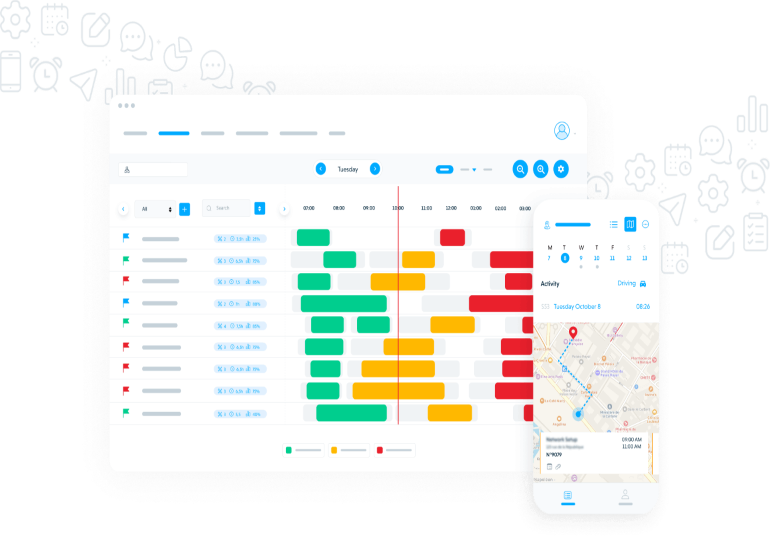
ManagTech is a software solution offering ready-to-use project management features that cover the entire project portfolio lifecycle.

Accounting Management Software
Choosing ManagTech accounting software means adopting the best technology to closely monitor all your financial operations—from transaction recording to your company’s balance sheet—as well as invoice management, tax declarations, and everything related to fiscal and accounting compliance.






















































































































 January 25, 2026 - BY Admin