How to Take Inventory
How do you take inventory?
In theory, it's simple: just count the products you have in stock. But let's look at the practical steps to follow to carry out an inventory.
Step 1: Distributing Count Sheets
To facilitate stock counting, we advise you to distribute count sheets to each person performing the inventory. Each count sheet can be structured as follows:
One column with the stock quantity per item, as recorded by the computer system.
One blank column, so that the actual physical quantity can be manually recorded. This will allow you to determine if there are any discrepancies between the physical and actual stock levels.
Step 2: Counting Stock
When counting stock, it's best to have several counts performed by different people.
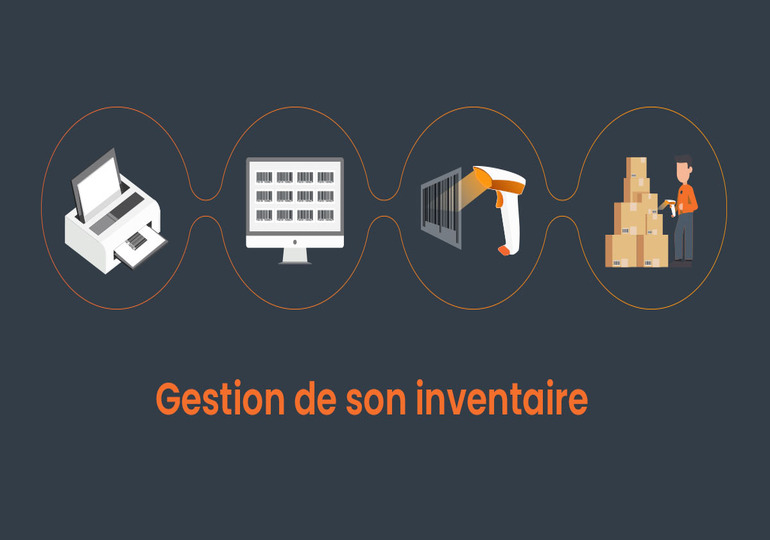
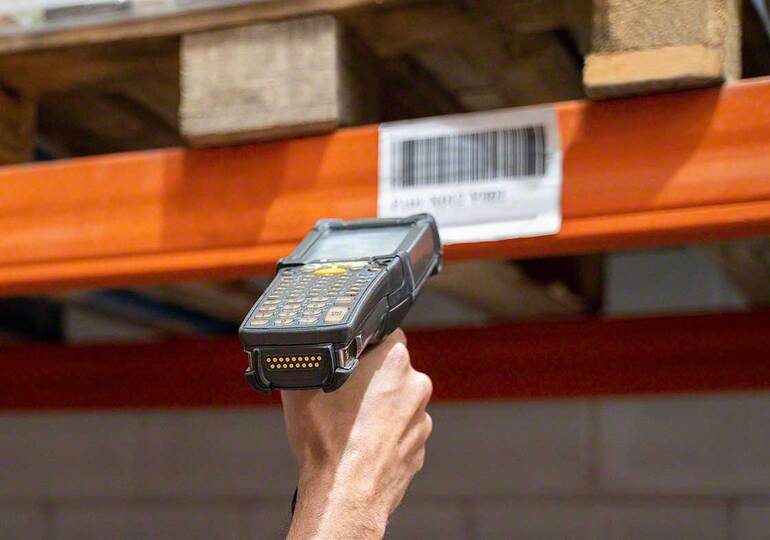
The count can be done using a scanner if you have a barcode system. Otherwise, a good pen and patience will be essential!
Step 3: Reconciling Inventory with Actual Stock
Once the inventory count is complete, it will be necessary to reconcile the actual stock levels. In practice, this simply involves comparing the quantities physically present with those recorded in the computer system.
This can be a tedious task! Fortunately, there is business management software available that can automate this reconciliation process.
Step 4: Inventory Valuation
After the reconciliation comes the inventory valuation. This involves valuing the quantities based on their purchase price. There are different inventory valuation methods, such as:
Weighted Average Cost (WACC), suitable for companies storing non-perishable goods;
First In, First Out (FIFO), suitable for companies selling perishable goods;
Last In, First Out (LIFO), suitable for specific products that increase in value over time.
Here too, the task can be automated using management software.
In conclusion, inventory is a mandatory process for assessing a company's assets.
It is essential to conduct one, not only in case of a tax audit, but also to ensure proper stock management for your business.
There are different inventory methods, but the process remains the same. It's up to you to determine which one best suits your business!



















































































































 January 25, 2026 - BY Admin