Inventory management has significant implications across multiple areas of a business. First, it directly affects customer relations: inventory enables a company to meet customer demand within a shorter or longer timeframe. It also generates various costs and impacts cash flow.
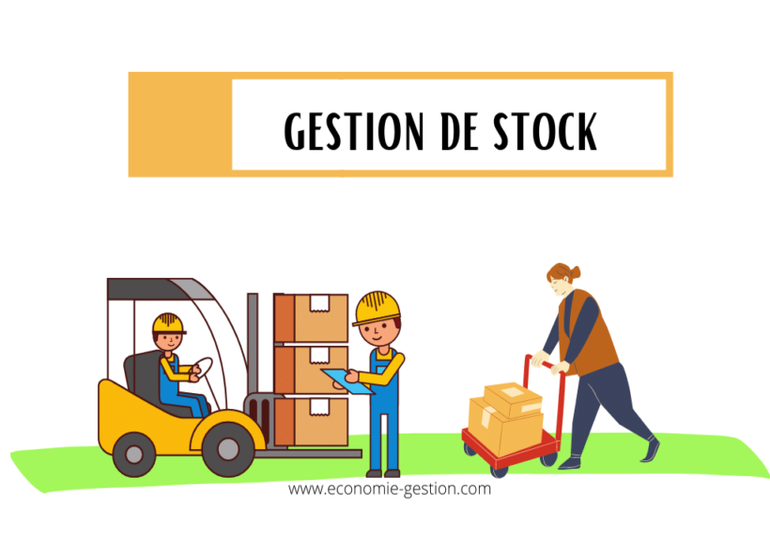
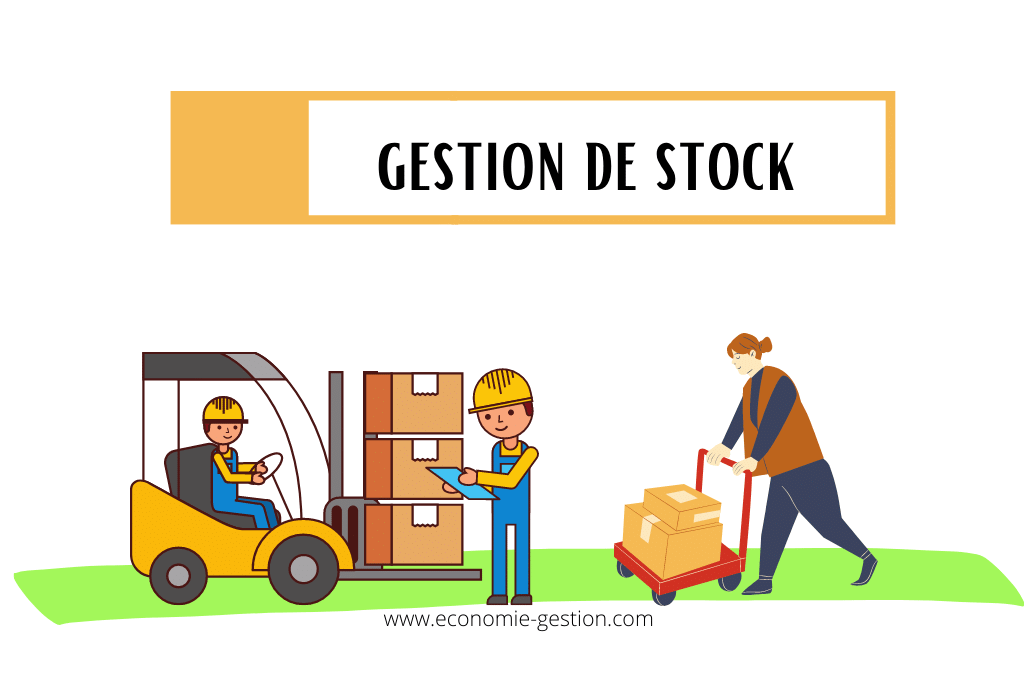
Inventory consists of all goods consumed, transformed, or sold directly by a company. This may include raw materials, consumable supplies, work-in-progress, semi-finished goods, or finished products. Holding inventory primarily allows a business to fulfill customer needs almost immediately. Effective inventory management also ensures the company maintains sufficient quantities to operate smoothly.
However, inventory incurs costs. It represents financial burdens, including handling, storage, and obsolescence expenses. Obsolescence costs arise from aging or idle goods that deteriorate over time or are replaced by newer, more innovative products—leading to reduced sales or even total unsellability. In such cases, inventory loses value and becomes a financial liability.
Inventory also affects a company’s cash flow and profitability, as it ties up capital in idle goods that generate no revenue—while still incurring costs. Efficient inventory management helps boost sales and overall business performance.
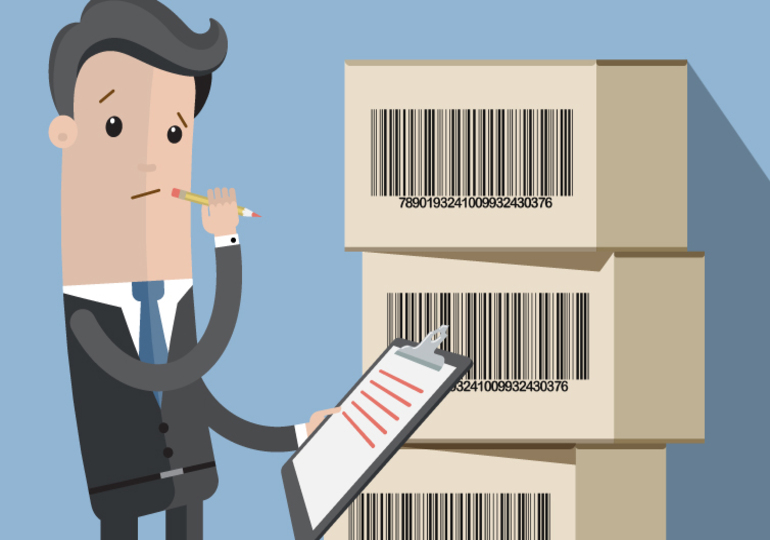
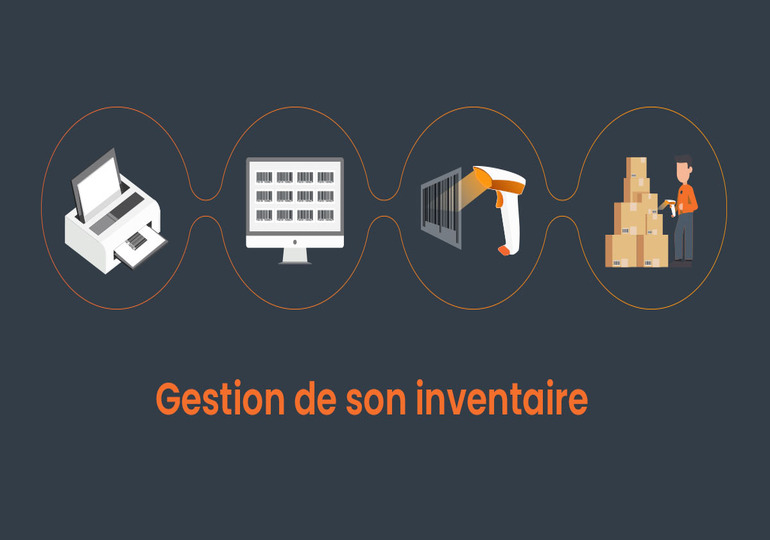
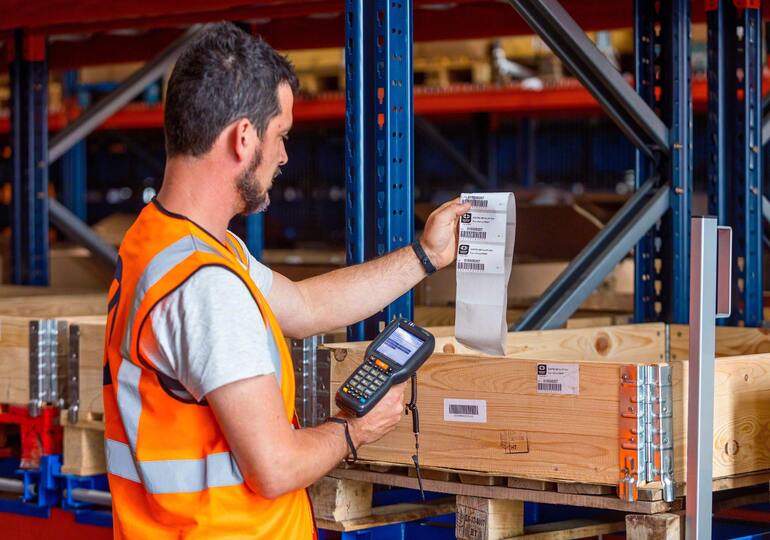
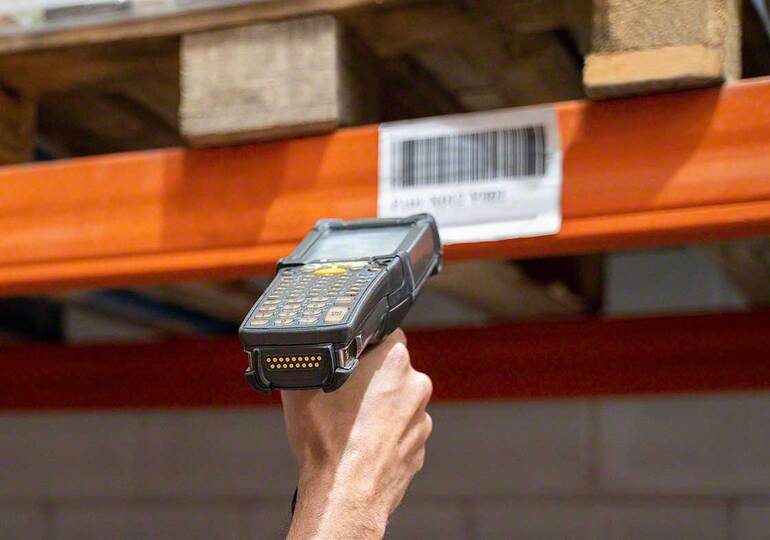
Effective inventory management means striking the right balance: maintaining enough stock to quickly satisfy customers while minimizing associated financial costs. This is why forecast-based inventory management is essential. It requires accurate assessment of inventory levels—understanding precisely what has been ordered, used, sold, or become obsolete, as well as the nature of each item. Regular and precise inventory counts are therefore crucial.
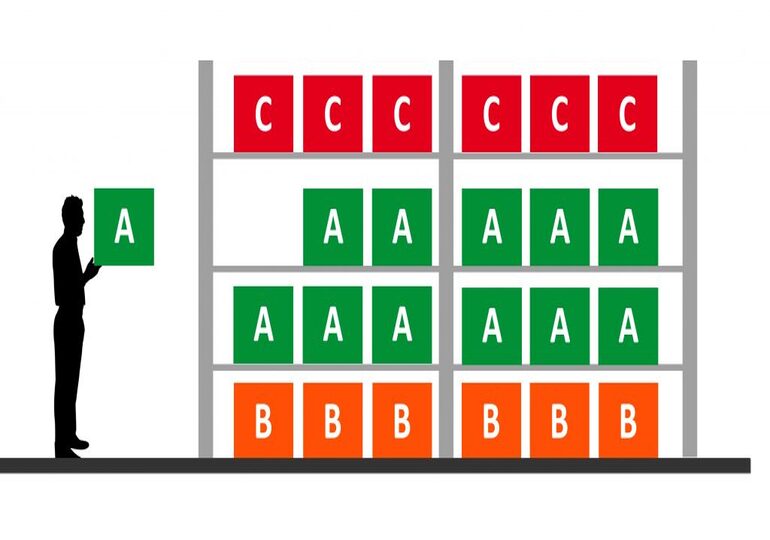
Ensuring optimal stock turnover to avoid excessive holding costs is another key aspect of efficient inventory management. Equally important is identifying and prioritizing fast-moving products over slow-selling items that clutter warehouse space.
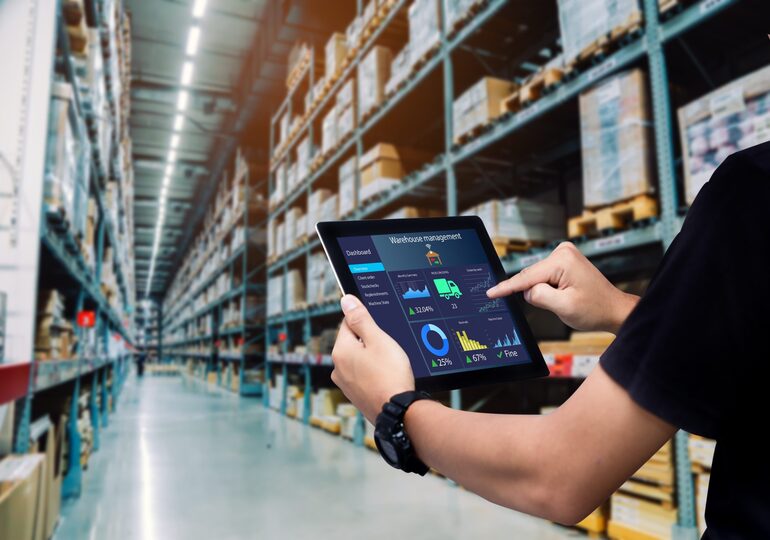
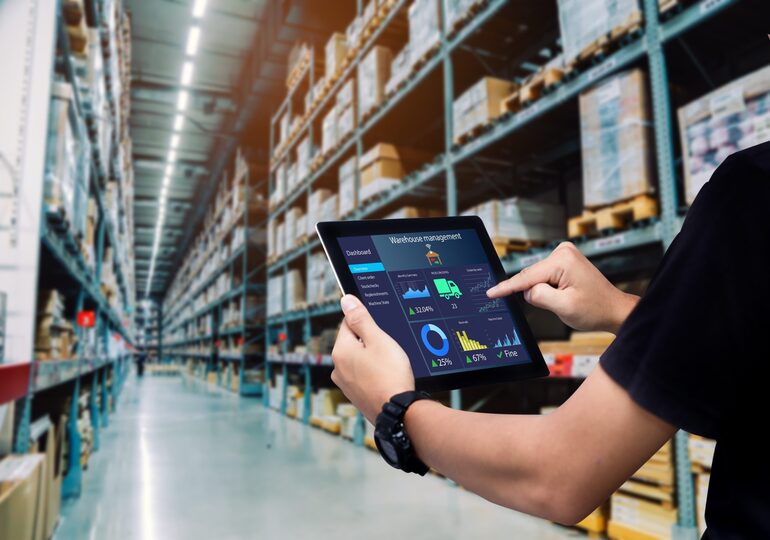
Numerous tools—especially specialized software—help business leaders optimize inventory management and prevent stockouts.
To manage inventory effectively, businesses can apply the “reorder point” method. This approach defines a minimum stock level that triggers automatic replenishment. It helps reduce storage costs and adapts inventory to irregular customer demand. It is commonly used by companies dealing with perishable, expensive, or bulky products.
Some companies optimize inventory using “fixed-order quantity and timing.” With this method, a target inventory level is set, and replenishment occurs at fixed intervals. While this approach helps control storage costs, it does not fully protect against stockouts.
Given the high costs of inventory management, many companies now adopt the “zero-stock” or “just-in-time” (JIT) approach. This method involves ordering or producing goods only after receiving a customer order. Its main advantage is the near elimination of storage costs and the risk of product depreciation. However, JIT requires a highly responsive supply chain and may compromise immediate customer satisfaction if not implemented carefully.

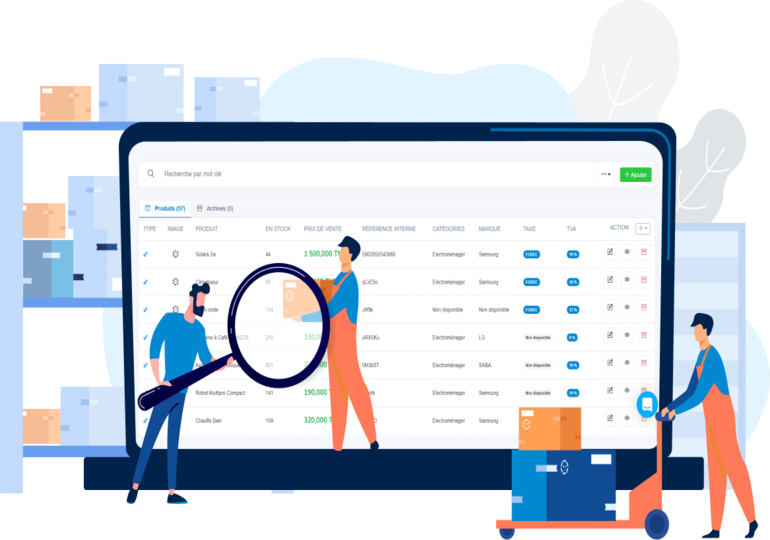
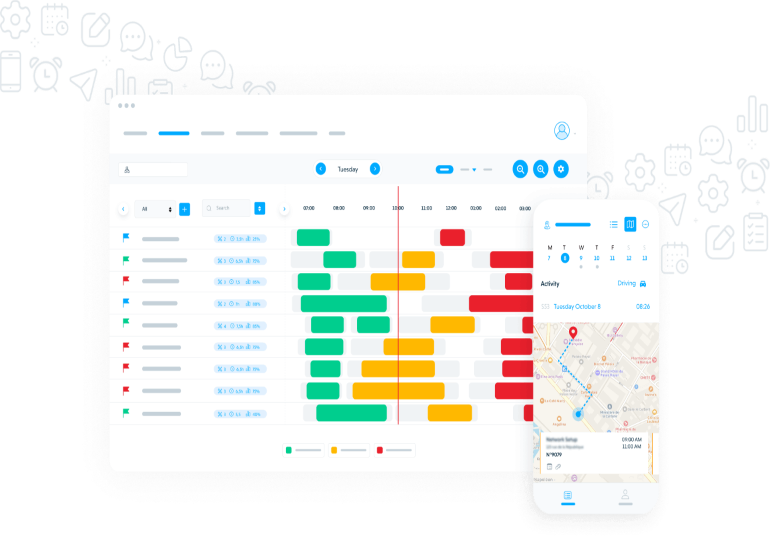
With MARTECH software, stay informed about all your invoicing and inventory operations, including detailed records of goods received and dispatched—with both wholesale and retail pricing clearly displayed.





































































































 January 25, 2026 - BY Admin