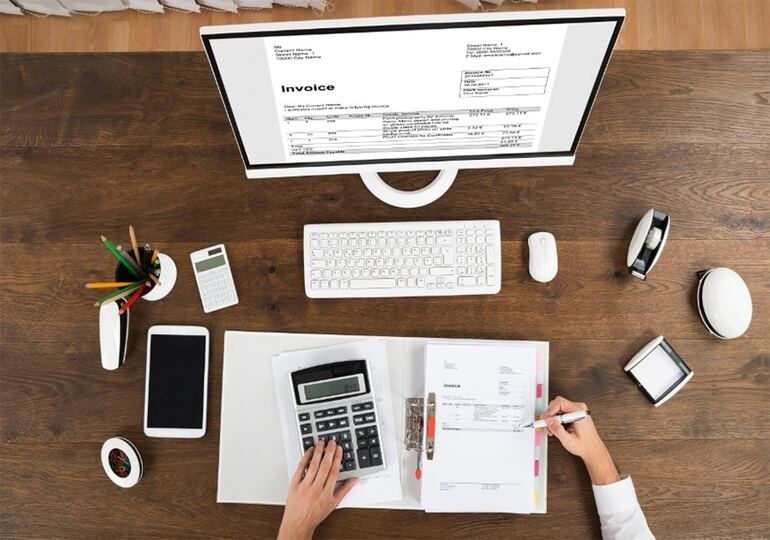
Regardless of a company’s size or structure, it is essential to ensure proper accounting of purchase invoices and sales invoices using compliant accounting software. Correct invoice entry keeps the company compliant and allows year-end accounts to be prepared quickly and accurately. Below focuses on recording purchase invoices and the rules to avoid errors.
Goods purchased by the company must be recorded as purchase invoices. These purchases represent expenses and charges, generally recorded in account 607 – Purchases of goods. For a purchase intended for resale, the accounting entry is:
Debit the expense account for purchases (net amount, excl. tax)
Debit the deductible VAT account (VAT amount)
Credit the supplier account 401 (gross amount, incl. tax)
If the purchase is intended to be kept long-term (not for resale), it is treated as a fixed asset:
Debit the fixed asset account (instead of an expense account), net amount
Debit the deductible VAT account
Credit the supplier account, gross amount
Ancillary costs (e.g., delivery, customs fees) are generally included in the purchase amount and recorded in account 607. A dedicated ancillary-costs account may also be created if desired.
To clearly reflect transactions affecting the company’s assets, purchase invoices must be recorded accurately. Each entry should include:
Purchase invoice number
Invoice issue date
Debited account number
Transaction description (nature of the flow)
Clearly separated debit and credit columns
Clear and compliant accounting requires assigning each transaction to the correct account. This requires basic accounting knowledge; otherwise, delegate to a professional or obtain proper training.
Regular entry helps detect missing documents (e.g., a purchase order sent without an invoice) and ensures accurate VAT tracking.
Templates speed up data entry by pre-filling accounts for recurring purchases (e.g., rent, merchandise). Only the invoice number and debit/credit amounts need manual input.
Proper encoding ensures organized accounts and easy retrieval of documents. To encode correctly:
Assign a coded, chronological number (e.g., YEAR–MONTH–INTERNAL SEQ–SUPPLIER REF, such as F2019-09-006-FA201908256).
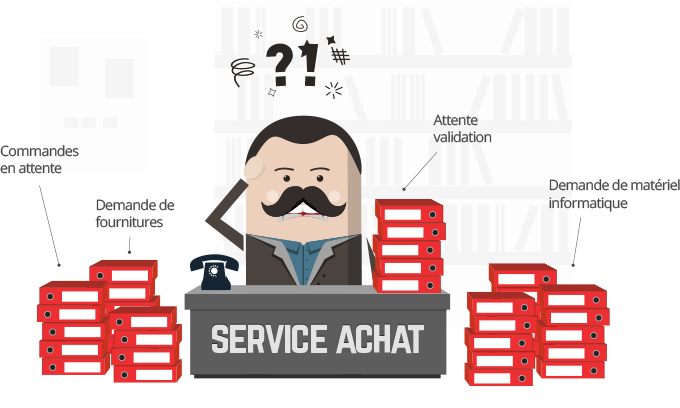
File and store purchase invoices in dedicated, numbered binders; your accounting software should indicate where each invoice is stored.
Like sales invoices, purchase invoices must be correctly encoded, recorded, and filed to ensure full compliance and reliable accounting.

























































































 January 25, 2026 - BY Admin