The goal of maintenance intervention management is to maximize the uptime of equipment and installations, whether hardware or software, while minimizing the risks of failure and the costs of maintenance and repairs. This aligns with the broader objectives of any business: productivity, efficiency, and profitability.
Maintenance can be:
Preventive maintenance
Corrective maintenance (accidental or curative)
Preventive maintenance aims to anticipate breakdowns or malfunctions. Its main advantage is that interventions can be planned in advance. Generally, effective preventive maintenance drastically reduces failures and therefore limits the need for corrective maintenance.
Corrective maintenance occurs after a failure is detected, often disrupting production processes. Its duration is uncertain and may require holding contingency stocks. Corrective maintenance should not be the preferred approach; the goal is to minimize its share whenever possible.
Good maintenance management intelligently combines both approaches.
Effective execution of maintenance interventions involves:
Controlling response times and staff reactivity: This includes adhering to the preventive maintenance schedule, correctly prioritizing failures, and ensuring proper training for technicians.
Controlling intervention costs: This applies whether the work is performed by internal staff or subcontractors.
A key factor in effective management is a clear understanding of the reliability of each piece of equipment or installation. This requires:
Continuous monitoring of reliability: Identify which equipment is reliable, less reliable, or unreliable. Analyze unreliability to adjust preventive maintenance programs in terms of content and frequency.
Controlling the cost of unreliability
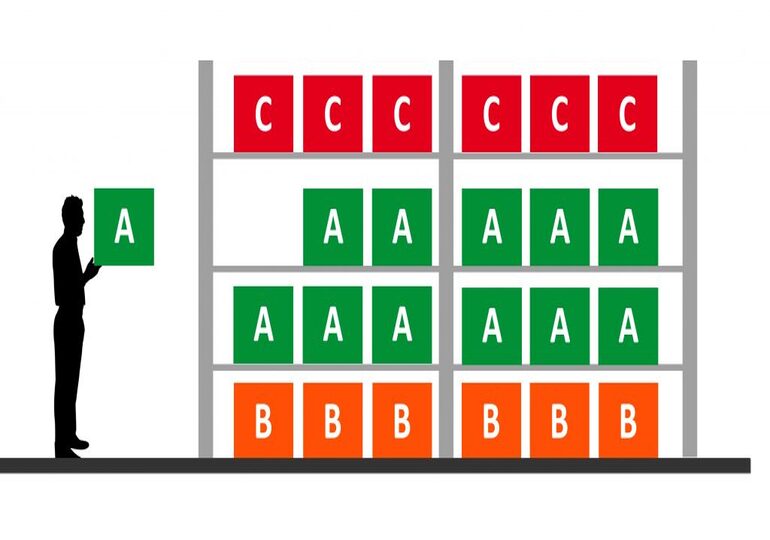
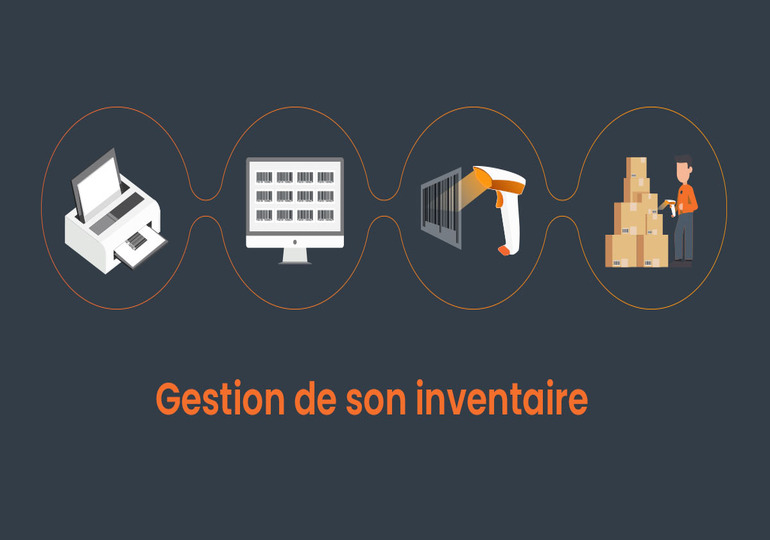
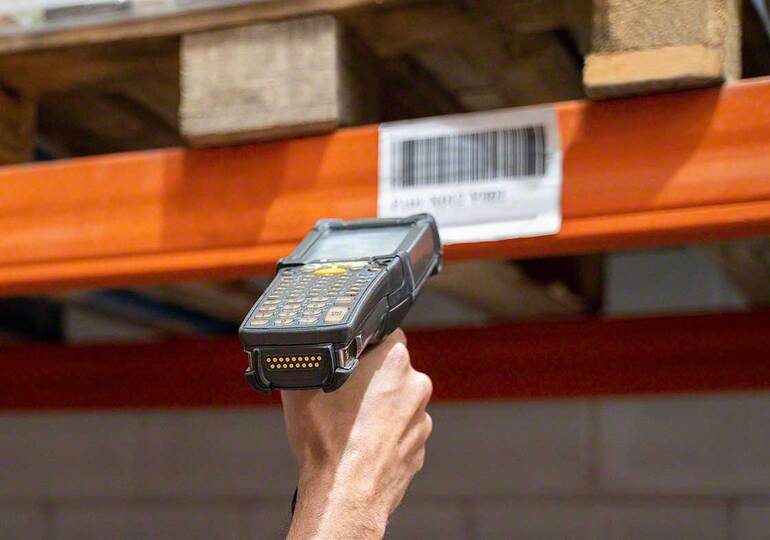
Managing stock and maintenance supplies: Ensure accurate identification of parts and supplies needed for preventive maintenance, including potential preventive stockpiling.
















































































































 January 26, 2026 - BY Admin