Analytical accounting and management accounting are two essential branches of accounting. Most organizations use both to improve operational efficiency. The primary users of both systems are internal management teams, which may give the impression that analytical accounting and management accounting are identical.
However, the differences between analytical and management accounting are subtle yet meaningful. Analytical accounting focuses primarily on quantitative aspects, whereas management accounting combines both quantitative and qualitative factors.
Summary: Analytical Accounting vs. Management Accounting
Analytical accounting and management accounting are two key components of accounting. Both require a solid foundation in basic accounting principles, use similar techniques or processes, and contribute to an organization’s operational effectiveness.
Yet they differ significantly. Analytical accounting is cost-focused, quantitative, narrow in scope, and often mandatory for many organizations. In contrast, management accounting incorporates both qualitative and quantitative data, has a broader scope, is forward-looking, optional, and specifically designed to support strategic decision-making.
Gain precise financial visibility to make better decisions
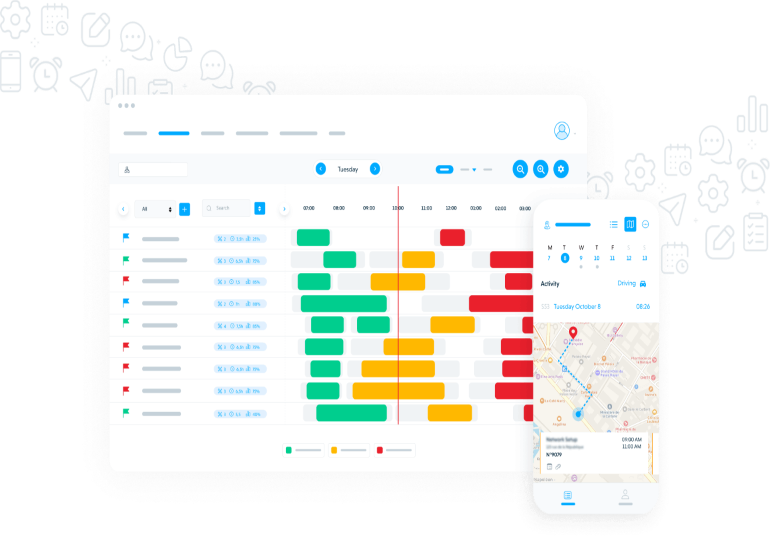
ManagTech is a ready-to-use project management software suite that covers the entire project portfolio lifecycle.

The accounting management software.
Choosing ManagTech’s accounting software means opting for the best technology to closely monitor all your financial operations—from transaction recording to balance sheet preparation—including invoice management, tax filings, and everything related to fiscal and accounting compliance.






















































































































 January 25, 2026 - BY Admin