What is Project Management?
A Brief History
Since the late 1980s, project management has profoundly transformed business practices and performance. It has spread internationally to various sectors, including services, public companies, SMEs, and research and development.
Two main factors explain this development.
Firstly, industry has undergone unprecedented rationalization, leading it to reorganize how it carries out projects to make them more complex and innovative.
Secondly, the ongoing reorganizations of companies, whether of their information systems or their work processes, are now conducted using a project-based approach.
With the development of project management, the traditional separation between design and execution has been challenged, giving rise to new cross-functional roles. The focus is on negotiation between professionals and on achieving results.
What is Project Management?
Project management encompasses all the tools, techniques, and methods that enable the project manager and their team to lead and coordinate the tasks to be performed within the project. It includes both project management and leadership.
A project is considered successful if it achieves its predefined objectives within the agreed timeframe and budget.
Several elements must be combined to ensure the success of project management.
Define project requirements by estimating resources and deadlines.
Prepare a business case.
Develop and implement a management plan.
Train and lead the team.
Assess risks.
Manage the budget.
Maintain communication between stakeholders.
The Different Phases of Project Management
Projects are integrated into what is called a lifecycle, which is itself divided into phases. Each phase describes the specific work to be done. The first phase is considered to be phase 0.
A project typically goes through five phases.
Project Definition
Define the goals, objectives, and success factors of the project.
Project Initiation
Put everything in place before work on the project can begin.
Project Planning
Develop detailed plans for how the work will be carried out. This includes estimates of time, cost, and resources.
Project Execution
Carry out the work to deliver the desired product, service, or outcome.
Project Monitoring and Control
Ensure that a project stays on track and take corrective action to ensure its success.
Detailed Steps of Project Management
1) Needs and Objectives Analysis
This analysis involves assessing the needs and constraints (time, technical specifications, and resources).
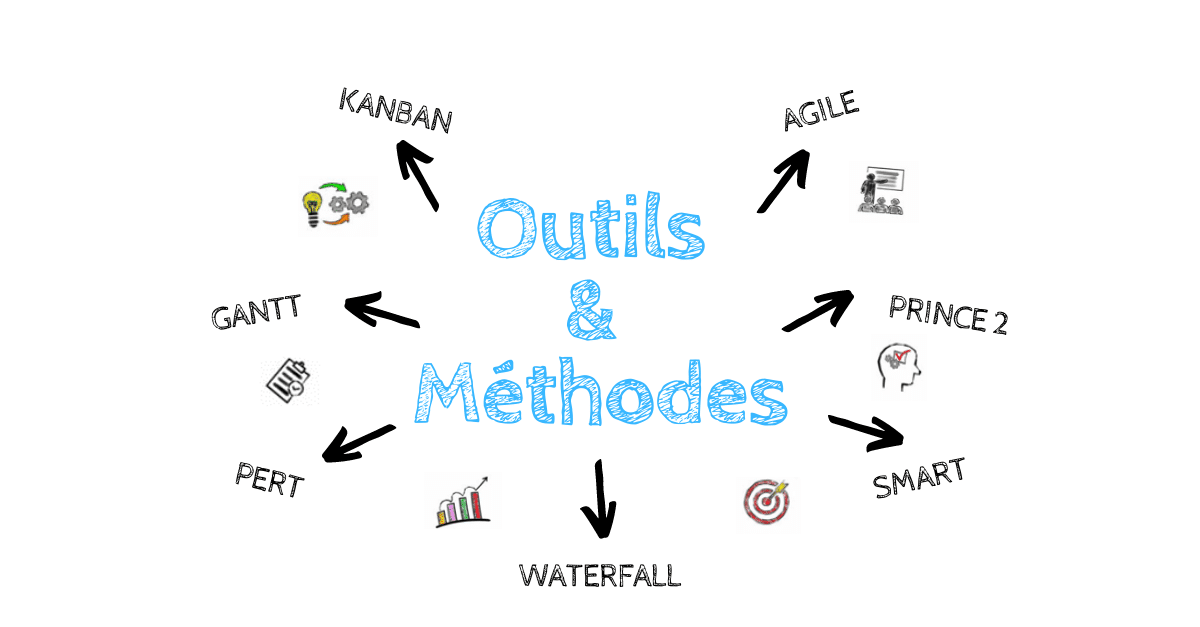
Objectives are established in a specific, measurable, achievable, relevant, and time-bound (SMART) manner. Performance indicators must be established.
2) Defining the Logistics Organization
The second phase is project preparation and planning. This is the time to define the tasks and resources necessary to achieve the previously determined objectives.
3) Project Launch and Execution
The project is launched, meaning the tasks are executed, communication within the project team is ensured, and the necessary resources are deployed.
4) Monitoring and Analysis
Here, progress must be evaluated and monitored, and risks associated with the project must be managed. Project performance must be analyzed according to the established key performance indicators (KPIs) and criteria.

















































































































 January 26, 2026 - BY Admin