What are the types of inventories?
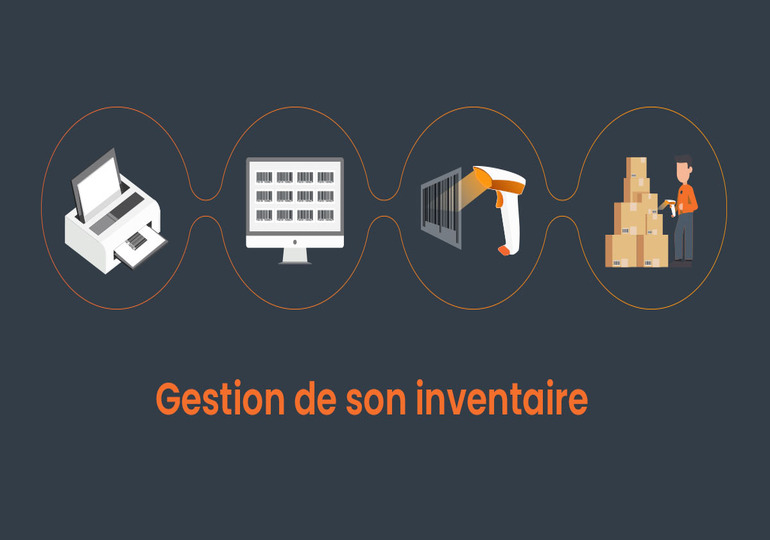
To ensure effective inventory management, it is essential to:
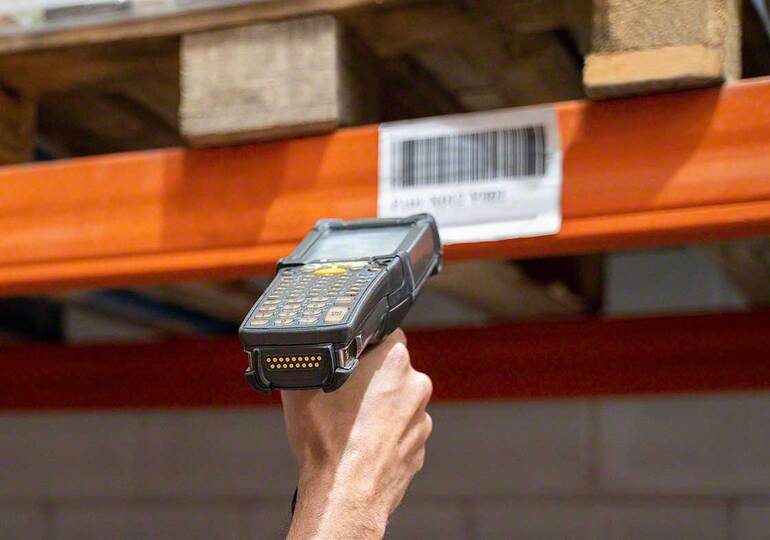
Label items for proper reference.
Use proper addressing.
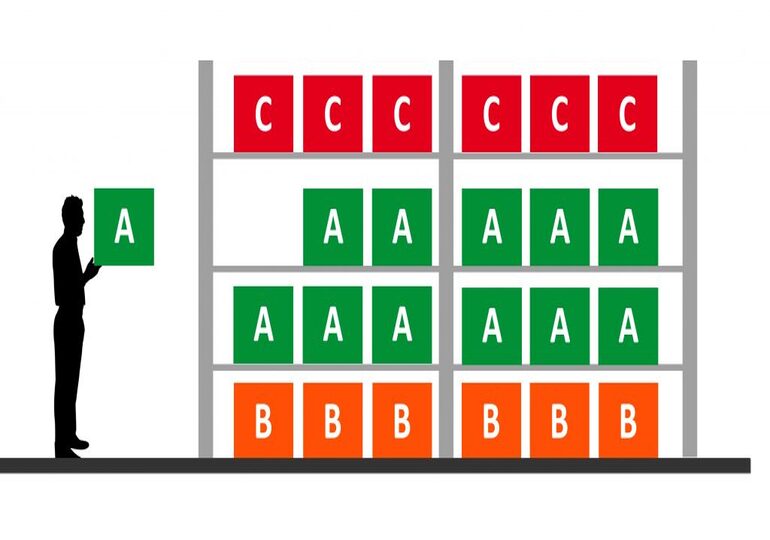
Organize all product categories and subcategories correctly: properly store different types of stock.
Plan your physical and accounting inventories: whether perpetual, annual, or cycle counting.
What is an inventory?
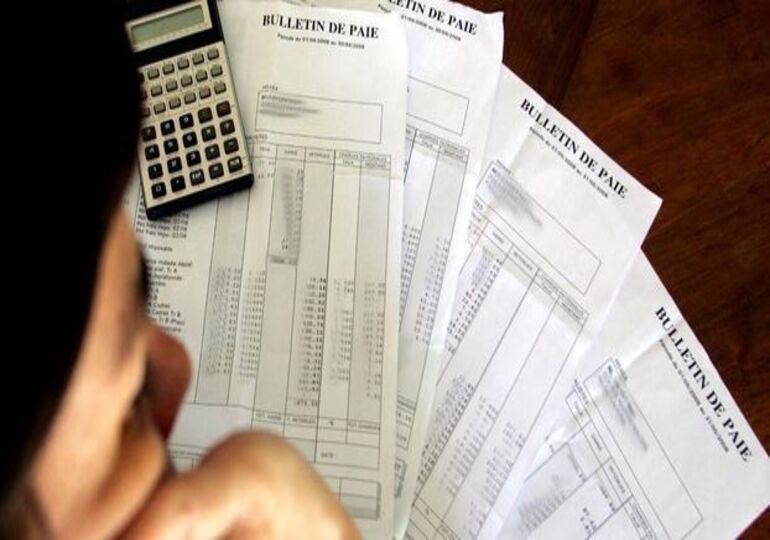
Accounting inventory is a requirement for all logistics companies; in addition to the legal obligation to conduct an accounting inventory, they are legally required to perform a physical inventory at least once a year. This involves manually counting all stored products and goods. This operation is often carried out under the supervision of the Supply Chain Manager.
Physical (or manual) inventory is particularly useful for comparing the stock levels recorded in warehouse management software with the actual stock. Thanks to physical inventory, companies can detect discrepancies, such as potential logistical issues like addressing, referencing, or picking errors.
What are the different types of inventory?
Whether in logistics or any other sector, you are free to conduct physical inventory at the frequency (respecting the minimum of once a year) and using the methodology that best suits your needs: counting all stocked items or only certain categories of items on a permanent, annual, or rotating basis.
1. Perpetual Inventory
Also called "computerized inventory," this method is the one you need if you want to know your stock levels in real time. Each time an item enters or leaves the stock, you record the count of the available quantities: the quantities entered and the final stock, or the quantities issued and the remaining stock.
Although it's not always easy to implement and requires resources, especially when the number of items and/or stock turnover is high, this type of physical inventory will allow you to manage your stock more accurately and reflect reality.
As we saw in the article on the advantages of intelligent warehouse management, if you have a very wide range of SKUs, this practice is very useful and essential to warehouse management software. Furthermore, it provides a continuous overview of available merchandise quantities, helps prevent stockouts, and consequently, avoids potential problems with customers.
2. The Annual Inventory
As its name suggests, the annual inventory is carried out once a year to confirm the results obtained with the accounting inventory.
This operation is also very laborious: since you only perform it once a year, you will need to properly train and prepare your counting staff to avoid significant discrepancies with the accounting inventory. Furthermore, if your warehouse is large and you have a large number of SKUs, allow several days to complete the entire operation.
3. Cycle Counting
If the two previously mentioned inventory types haven't convinced you because their implementation would be too burdensome (financially or in terms of manpower), then cycle counting is surely the right solution for you. Companies that have chosen this method perform periodic and planned counts of one or more sections of their stocked SKUs several times a year.
This practice offers companies numerous advantages:
Avoiding stockouts: like perpetual inventory, this technique provides a more comprehensive and regular overview of stock levels.
Regularly update your available stock levels and avoid retaining any errors in stock entry or exit data for too long.
This is less cumbersome to implement than perpetual or annual inventories.
It's important to properly assess your needs before even choosing a specific type of physical inventory to implement in your warehouse: and if the inventory method you're using doesn't seem right, you can always change it.



















































































































 January 25, 2026 - BY Admin