







































































































 January 25, 2026 - BY Admin
In an efficient supply chain, warehousing is one of the most critical links. It is the practice that enables businesses to regulate and optimize goods flow for effective inventory management and timely deliveries. Therefore, warehouse logistics and storage are essential components of end-to-end operational optimization.
What Is Warehousing?
Warehousing: Definition
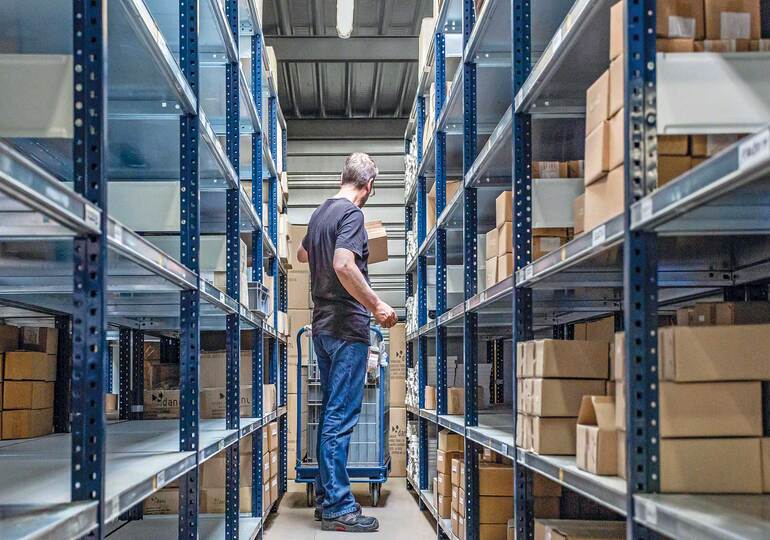
Warehousing involves the organized storage of goods before they are sold, and also encompasses inventory flow management within the warehouse. Well-designed storage ensures products are kept securely and tracked in real time, so you always know where items are located, how long they’ve been stored, and how much remains in stock.
Storage methods vary depending on the type of business:
- In e-commerce, products are stored in a warehouse until a customer places an online order. They are then shipped directly to the consumer as quickly as possible.
- In retail, goods are often held in a central warehouse before being distributed to stores, which keep only small quantities on-site.
- In very small businesses or startups, inventory is often stored at the owner’s home or in office spaces until growth necessitates a dedicated warehouse.
Why Improve Your Warehouse Logistics?
The goal of optimizing warehouse logistics is to minimize storage costs—and thus overall operating expenses—to improve profitability. This is achievable because well-designed warehouse logistics enables:
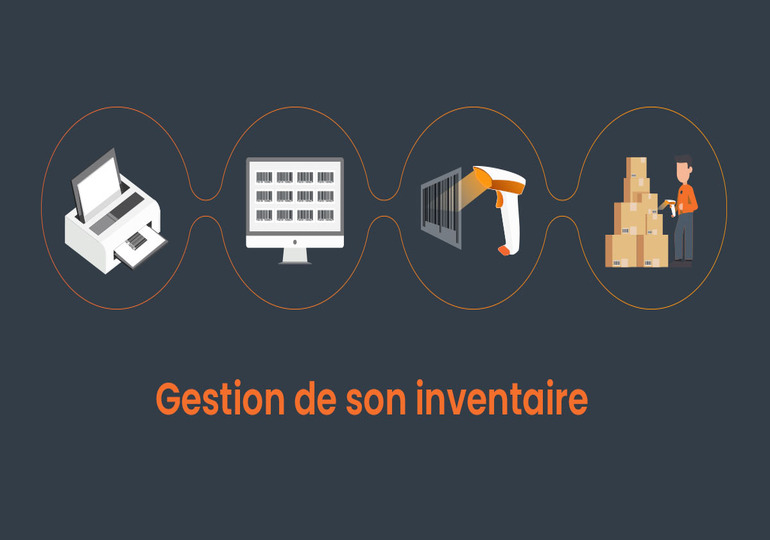
- Accurate, real-time inventory tracking through better product monitoring.
- Reduced return rates due to fewer order-picking errors.
- Automated replenishment based on reliable stock-level data.
- Maximized storage space utilization, thereby reducing facility-related costs.
Efficient logistics warehousing also improves demand forecasting and workforce planning, leading to optimized operational costs and enhanced profitability.
The 3 Key Factors of Logistics Warehousing
1. Warehouse Management
Warehouse management refers to the day-to-day organization of operations. This includes responsibilities such as:
- Forecasting and managing volume and labor needs, as well as obtaining necessary licenses and certifications for equipment operators.
- Implementing safety protocols and providing appropriate equipment.
- Maintaining regulatory compliance specific to your industry.
- Planning and scaling operations as your business grows.
- Providing clear instructions on how to receive, store, pack, and ship products.
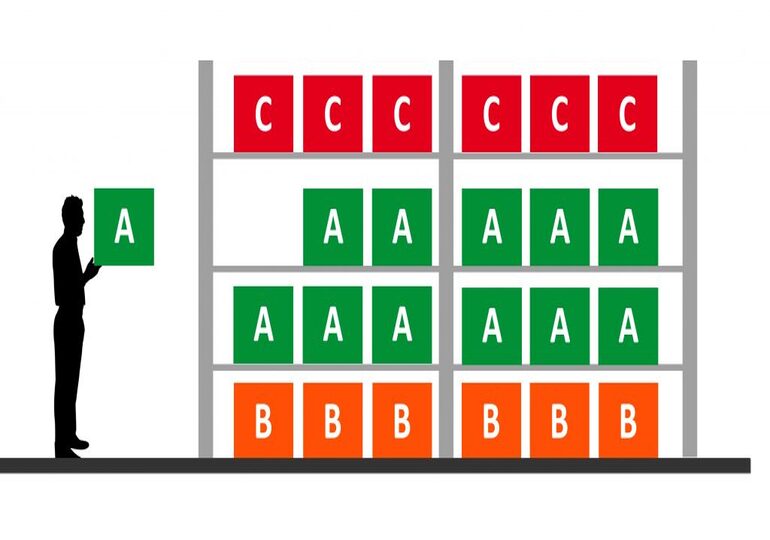
- Designating specific storage locations (bins, shelves) to reduce handling effort.
- Collecting comprehensive data on inbound and outbound shipments to monitor operations.
Managing a logistics warehouse involves supervising staff and storing inventory, but also includes training, equipment maintenance, and carrier relationships. Ensuring the safety and security of the facility, personnel, and goods is absolutely essential.
2. Warehouse Operations
Warehouse operations refer to the processes governing the movement of goods and inventory tracking. This results from the interaction between operators, machinery, racking systems, and work methods—from goods receipt to shipment.
Racking Systems
Numerous industrial racking solutions exist for pallets, bins, cartons, or temperature-controlled storage (e.g., for food).
To choose the right storage solution, evaluate:
- Product type and load unit.
- Required storage capacity.
- Flexibility of storage operations.
You should also assess potential systems and their associated costs.
Machines and Robots
Material handling equipment directly impacts operational performance and staffing requirements. Warehouse layout—especially aisle width and rack height—influences equipment selection.
There are two main categories of handling equipment:
- Manually operated machines, such as forklifts, order-picking carts, and pallet jacks.
- Automated solutions—autonomous systems controlled by software, including conveyors and “Goods-to-Man” robotic systems like mobile shelving units (delivered by AGV/AMR robots), stacker cranes, and shuttles.
Work Methods
Order fulfillment involves picking items from racks, sorting, packing, labeling, and shipping. This process significantly impacts warehouse logistics, as it is a core operational responsibility.
It is shaped by several factors:
- Product type: some items require special handling or packaging.
- Warehouse layout: rack height and storage configuration.
- Goods flow direction: whether workers go to the products (“man-to-goods”) or products come to them (“goods-to-man” via automation).
- Picking methods: single-order picking, batch picking, wave picking, pick-to-cart, etc.
3. Warehouse Management Systems (WMS)
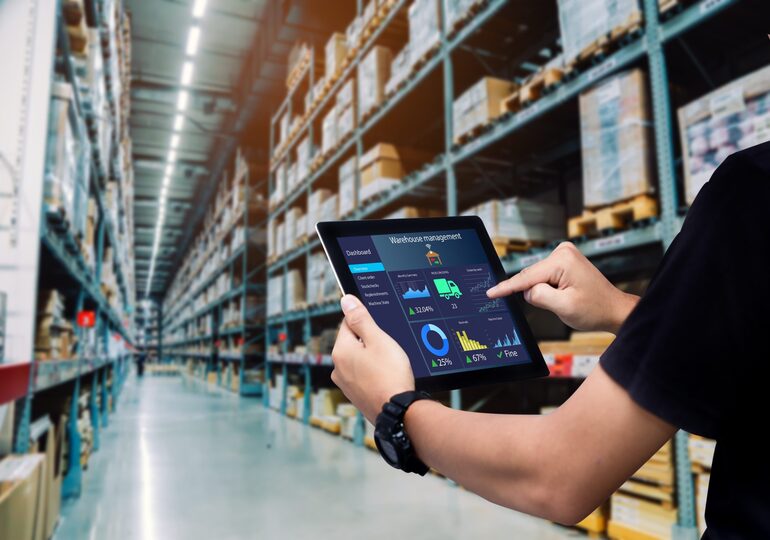
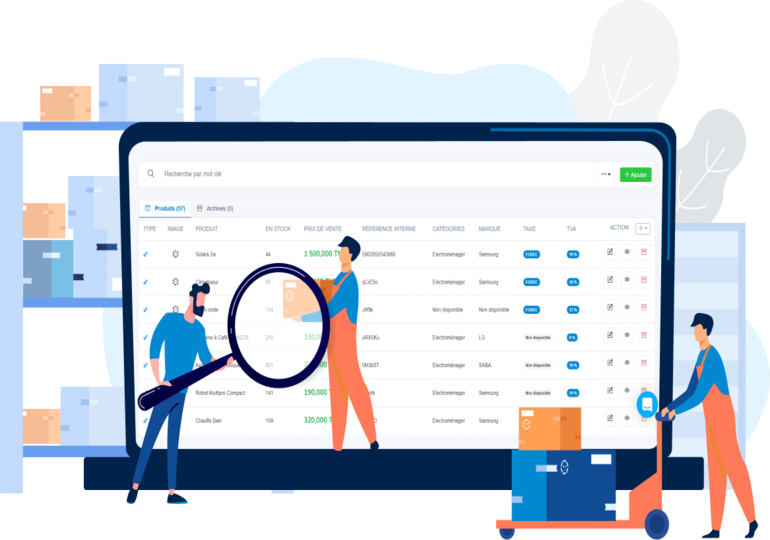
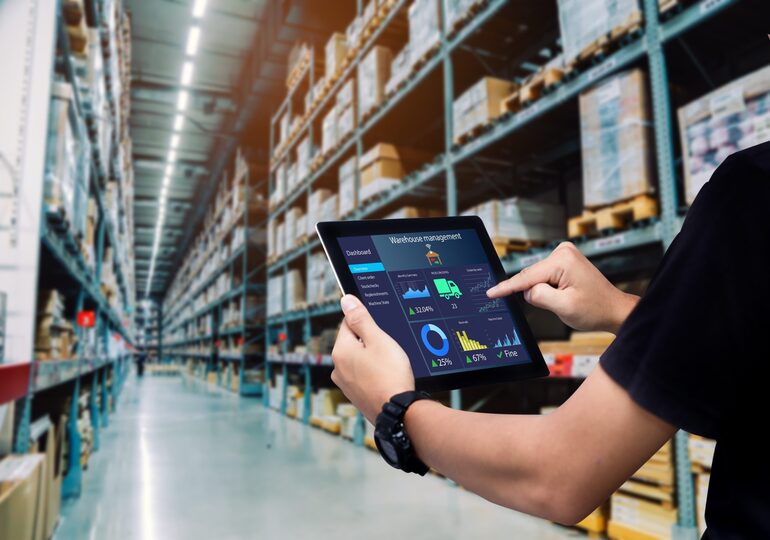
A Warehouse Management System (WMS) is software that organizes storage operations and product movement. It saves time, eliminates error-prone manual processes, and optimizes inventory tracking, task allocation, and shipping.
WMS provides real-time visibility—from physical flows to data flows—enabling optimal warehouse control. This leads to greater operational profitability.
Modern WMS platforms are essential for supply chain optimization. Beyond inventory, they manage the entire warehouse logistics ecosystem.
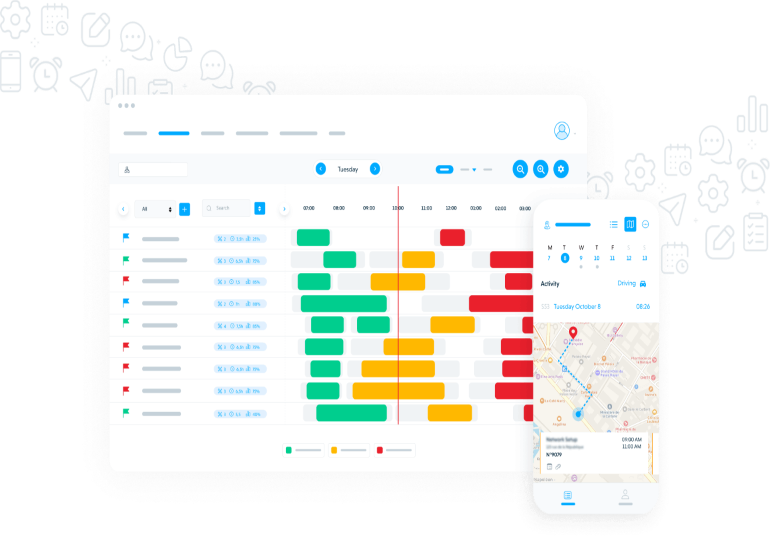
Today’s WMS solutions typically include mobile tools, allowing logistics teams to access real-time data via smartphones or tablets.
In short, a WMS consolidates all warehouse information to enhance end-to-end logistics—from receipt to shipment.

How Do Warehouses Fit Into Your E-Commerce Operations?
Inventory Storage
Effective inventory storage means assigning specific products to designated locations. Each item should have its own storage zone in the warehouse.
To achieve efficient storage, consider these principles:
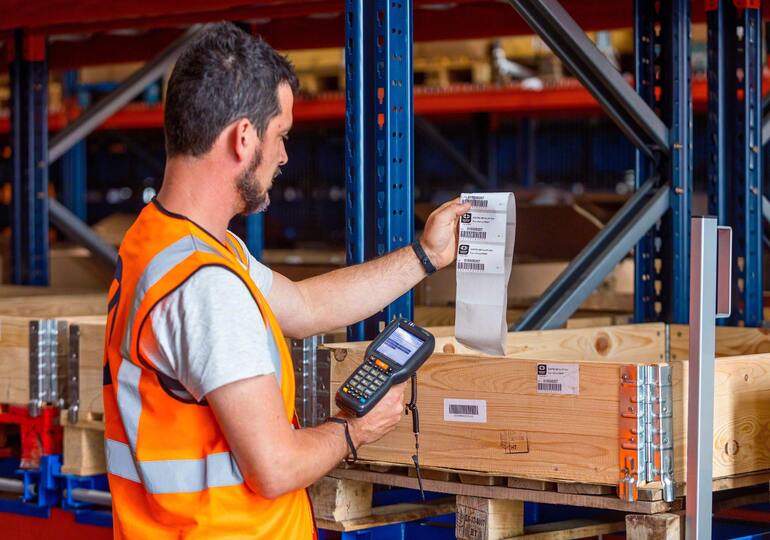
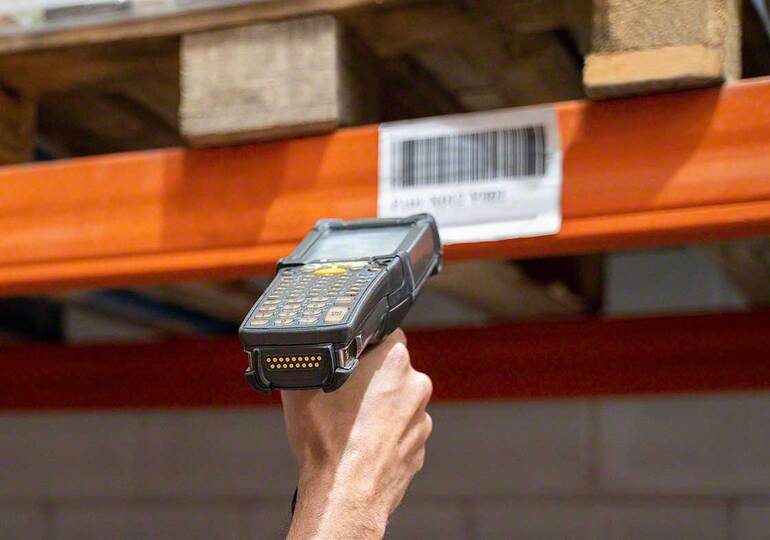
- Location identification: clear signage helps staff quickly locate products.
- Real-time unit tracking: update stock levels instantly to prevent overselling or unnecessary overstocking.
- Managing recalls, expired items, and damaged stock by knowing exact locations and tracking lot numbers and expiration dates.
- Applying FIFO (First In, First Out): ship oldest inventory first to minimize waste from expired goods.
In some cases, cross-docking is used—immediately redistributing received goods without storing them. This is ideal for reducing storage and handling costs, turning the facility into a logistics hub.
Product Receiving and Shipping
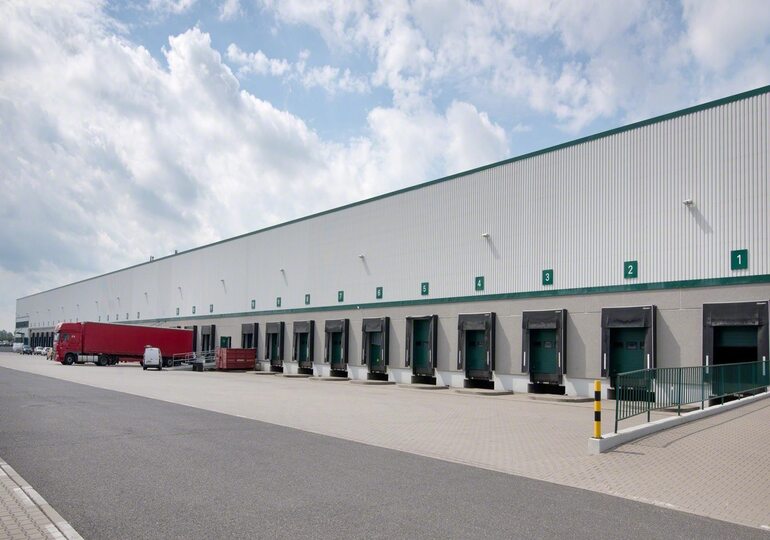
Warehousing must be optimized to accept incoming stock and store it properly. You must be informed about incoming shipments and expected quantities.
Additionally, closely monitor current stock levels to trigger timely and accurate replenishment—avoiding stockouts while preventing excess inventory.
Once prepared, carriers collect products for delivery to customers.
Distribution Centers
Distribution centers are typically used by large omnichannel businesses. They’re ideal for short-term storage before goods are sent to wholesalers, retailers, or directly to consumers.
In distribution centers, operations move at high speed—carrier trucks constantly drop off and pick up orders.
Returns Management
Logistics warehousing also includes processing customer returns when in-store returns aren’t possible. Thus, the warehouse must be equipped to receive, inspect, and process every returned item.
It’s also possible to manage the entire returns process from the customer’s home by providing prepaid labels. This allows you to track the item and share updates with the customer from shipment through exchange or refund.
Optimized warehouse logistics not only boosts profitability but also enhances customer satisfaction. From reorganization to automation, take steps today to optimize your warehouse and supply chain—and strengthen your competitive edge!