

































































































 January 25, 2026 - BY Admin
What are the tasks of a Payroll Manager?
Beyond clichés: the Payroll Manager
Although the profession is highly sought after by recruiters, it struggles to attract candidates. Being a payroll manager is not limited to entering data on a computer: the role requires many skills and is far from monotonous.
The three main responsibilities
1. Preparing payslips
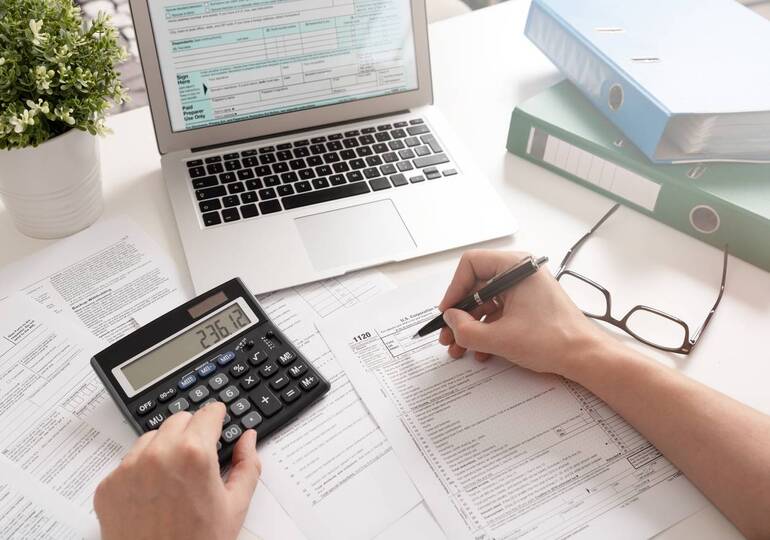
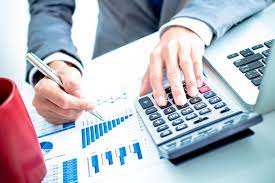
The payroll manager collects, analyzes, and processes information relating to all company employees (leave, absences, working time, overtime, etc.) in order to calculate remuneration and prepare payslips.
Using payroll software, they enter data and generate payslips in compliance with labor regulations, legislation, and the company’s HR policies.
They also prepare all tax and social declarations (employee and employer contributions, URSSAF, pension funds, health insurance).
2. Managing personnel administration
The payroll manager handles hiring and termination formalities (job descriptions, drafting employment contracts, contract termination, calculation of severance pay and final settlements).
3. Contributing to Human Resources activities
They prepare summary documents such as dashboards, payroll mass reports, and employee entry/exit tracking.
In companies with more than 300 employees, the payroll manager prepares the social report, a document compiling all quantitative data to provide an overall view of the company’s social situation over a three-year period.
Essential qualities
The payroll manager must be rigorous, methodical, conscientious, and possess strong logical thinking.
They must be well organized, able to manage priorities, and resistant to stress—especially at the end of the month, when payroll preparation leads to peak workload.
Discretion and respect for confidentiality are essential, as payroll is one of the most sensitive areas within a company.
They must be curious and willing to continuously update their knowledge of labor law, procedures, and accounting and international standards.
Proficiency in English and Anglo-Saxon accounting is required.
Strong interpersonal skills are highly recommended, as payroll managers interact with employees, executives, and social institutions to provide legal guidance.
Mastery of payroll software is essential.
Training pathways
There are few training programs dedicated exclusively to payroll management. The profession is largely practice-based, where experience is highly valued. A solid educational foundation should include legal knowledge, management, human resources, and accounting.
Accounting qualifications:
-
BTS CG (Accounting and Management): provides core accounting knowledge
-
DUT GEA (Business and Administration Management), specialization in finance and accounting: develops accounting and financial methods and procedures
-
Professional Bachelor’s Degree in Payroll Management and Personnel Administration: trains students in payroll processing and personnel administration within HR departments or SMEs
-
Master’s degree (Bac+5): many universities offer master’s programs specializing in payroll management
More information: Onisep, ROME code M1203, job profile “Payroll Manager”.
Finding a job
Payroll managers can work:
-
In accounting firms
-
In HR departments of SMEs or large companies
Job opportunities are available on pole-emploi.fr.
Our advice – starting out in the profession
Begin your career in a payroll outsourcing service company.
Employers also value payroll managers with initial experience in management or HR (internships or work-study programs), gained in accounting firms or with specialized service providers.