What are the phases of project management?
What are the phases of project management?
Project Launch
The initial phase of the project management model is an opportunity to define the project in broad strokes, identify its sponsors and participants, and begin the preliminary research phase. You can also take this opportunity to document all the project details in writing so that you can easily present the communication plan to the rest of the team. Most teams organize a kick-off meeting or conduct a feasibility study to mark the start of a project. The chosen launch method should depend on your team's preferred communication style.
In addition to presenting the core idea behind the project, you should also specify its benefits, costs, and the risk factors associated with the deliverables. You may also consider other indicators depending on the methods your organization uses to evaluate the project's success.
Project Planning
Once the project has been analyzed, you can develop a business case, or, for smaller projects, a project charter. These tools can help you present your project and describe it in detail, specifying certain information: objectives, budget, timeline, etc. The business case and project charter will serve as excellent reference documents and will allow you to identify your long-term project objectives.
Project planning involves organizing the tasks to be completed over a given period. The goal of planning is to determine the cost, the resources required, and the best way to sequence all the tasks. In short, it's about having a clear vision of your project and completing it in the shortest possible time.
Project planning also clarifies each person's role in the distribution of tasks and the expected workload. It strengthens team collaboration and cohesion. Establishing a structured task organization encourages team members to complete their part of the work effectively. Each team member must be aware that a delay in their own tasks will cause their teammates to fall behind. Once tasks have been properly structured and assigned, this framework allows for more precise monitoring of work and progress. Understanding all tasks, their dependencies, and their chronological order within the project is crucial. This allows for anticipating potential problems and their potential impact on the project. The more rigorously and proactively you organize, the more efficient you will be.
Project Implementation
The implementation phase will require your team to focus on the established objectives and achieving them. To do this, team members will rely on the information gathered during the first two phases to create and launch the project on time, emphasizing teamwork and collaboration.
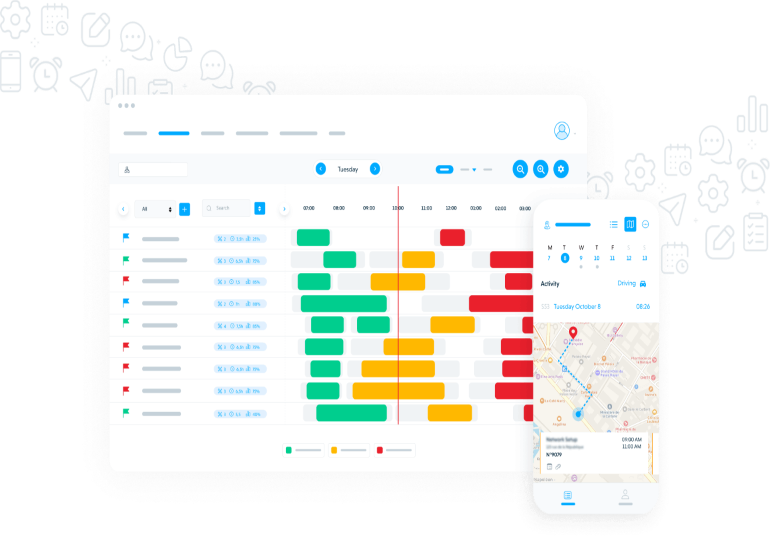
Start by assigning tasks to team members. If you already use a project management tool, you can add these tasks to your process so your team can easily access resources and communicate, all in one place. Project timeline software is also a good way to help your team visualize each step.
Project Closure
This phase varies the most between different teams and companies. Some like to take the time to review the work done, while others prefer to jump straight into the next project. There's no right or wrong way to close a project, and when it comes to determining what works best for your team, the decision is yours.
When closing your project, you'll likely want to meet with all stakeholders to discuss the results. In these cases, we most often refer to it as a "post-mortem" meeting. If you decide to hold one and want to ensure all the essential questions are addressed, we recommend sending an anonymous questionnaire to participants beforehand. During the meeting, you can review the results measured by the selected performance indicators during the phase in question. This will give everyone involved a clear overview of the strengths and areas for improvement: ideal for avoiding repeating the same mistakes in the future!
Another useful tip: we recommend organizing the project documents and keeping them in a folder that will be shared with team members until the project is completed. This includes templates, writing resources, design files, development work, and so on. You'll be glad you have all these documents in one place.










































































 January 25, 2026 - BY Admin