Is it mandatory to have different types of invoices?
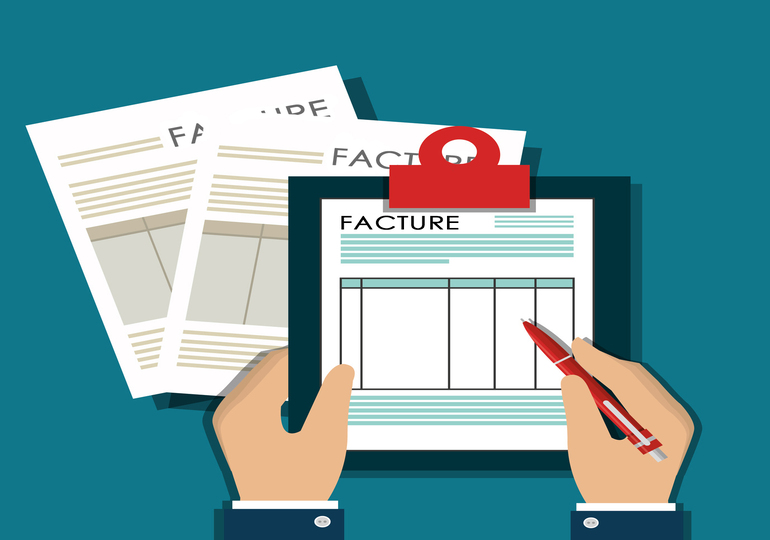
An invoice is a legal and accounting document governed by statutory requirements. Knowing invoicing rules is essential for any entrepreneur, because in the event of an audit, non-compliant invoices can lead to significant penalties.
Regulations also require the use of different types of invoices depending on the situation.
This is the most common invoice, issued for each sale of goods or services. It includes quantities sold, prices, and the applicable terms and conditions of sale.
When the customer is a professional, the general terms and conditions of sale (GTCs) must appear on the invoice. Proper drafting is essential.
A corrective invoice is used to fix an error. You cannot modify or delete an invoice once issued. To correct it, issue a new invoice stating that it cancels and replaces the original, and reference the canceled invoice.
If an invoice must be canceled (e.g., returned goods), issue a credit note equal to the original invoice amount and reference the related invoice.
A deposit invoice is mandatory when a customer pays a deposit. It must include the issue date, invoice number, parties involved, and payment terms.
Unlike a standard invoice, it should not detail goods/services, prices, or quantities. Referencing the related quotation is recommended.
VAT note: VAT must be handled correctly on deposit invoices (unless you are not subject to VAT), ensuring it is not counted twice (on the deposit and the final invoice).
Used to regularize a situation where the customer previously paid an estimated amount. The final amount delivered is compared to the estimate:
Overpayment → issue a credit note
Underpayment → invoice the balance due
Common in utilities (electricity, water, gas).
Issued upon contract termination. It bills the customer for consumption since the last invoice.
Deadlines typically apply (e.g., issuing within a maximum period after contract end; refunds within a specified timeframe if owed).
Important:
All invoice types must be numbered, and the numbering must be continuous and sequential.
Yes. Invoices issued to foreign customers may differ:
Language: Provide invoices in the customer’s preferred language (e.g., English), ensuring all mandatory mentions are included.
Currency: If invoicing in another currency, apply the exchange rate in force at the invoice date.
VAT:
EU customers: include EU VAT numbers (even if you are not subject to VAT).
Non-EU customers: VAT generally does not apply; issue invoices exclusive of tax (net).
Choose the appropriate invoice type for each situation. Using compliant invoicing software can simplify the process and reduce errors by generating the correct documents automatically.



































































































 January 25, 2026 - BY Admin