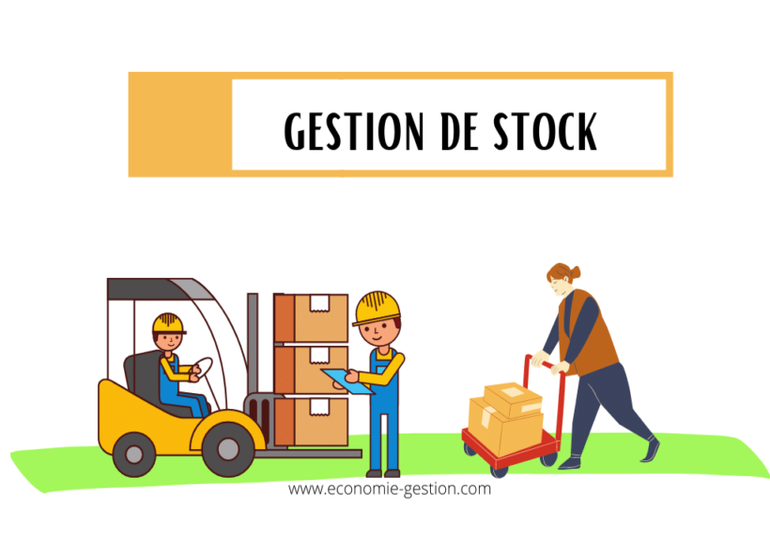
For a logistics company, inventory management in the warehouse presents a real challenge—not only for its financial profitability but also to ensure customer satisfaction. There are various ways to classify types of inventory depending on your business activity or operational role.
Managing inventory effectively is essential today—especially as competition becomes increasingly efficient. It’s critical not to jeopardize your company’s reputation by failing to deliver products on time and in perfect condition.
To analyze your inventory accurately, you can categorize it into several groups based on your chosen classification criteria. Below are three possible categories of inventory types:
To handle unexpected circumstances—such as a sudden surge in orders or a supplier delay—it’s essential to maintain safety stock.
As the name suggests, this “stock” is actually a threshold that alerts you when it’s time to reorder inventory. You must define this trigger level, which should always be higher than your safety stock level since its purpose is different.
This inventory helps you anticipate periods of the year when your business activity increases and you need to process more orders than usual.
This category includes all obsolete items that are immobilized and can no longer be sold or included in customer orders (e.g., due to packaging changes, new regulations, etc.).
This refers to all goods still in production or distribution processes: en route, being packaged, under manufacturing, etc.
You build speculative stock when you purchase products in quantities greater than your actual needs to benefit from volume discounts or lower-than-usual prices. You might also create this type of stock if your suppliers plan to raise prices on certain items.
This category includes all products and goods that deteriorate over time.
Unlike perishable stock, time has little to no impact on the products in this inventory category.
These products can no longer be sold once their printed expiry date has passed.
When classifying inventory by operational organization, logistics companies assess their stock from a practical, day-to-day perspective.
This represents the perfect balance every business strives to achieve. It enables maximum profitability while minimizing all holding costs. During off-seasons, this stock level allows you to meet both internal material needs and customer demand effectively.
Optimal stock helps you avoid situations like stockouts or overstocking. Everything is calculated so you hold exactly the quantity of products you need.
As the name implies, this includes all available items physically present in the warehouse.
This equals physical stock minus pending customer orders that have not yet been fulfilled.
This represents the sum of your net stock plus outstanding purchase orders placed with suppliers that have not yet been received.
This is the minimum quantity of inventory you should always keep in your warehouse. If you reach this level, you must reorder to replenish stock.
This represents the upper limit of inventory you should never exceed. You must define this ceiling for each product based on your company’s specific needs.
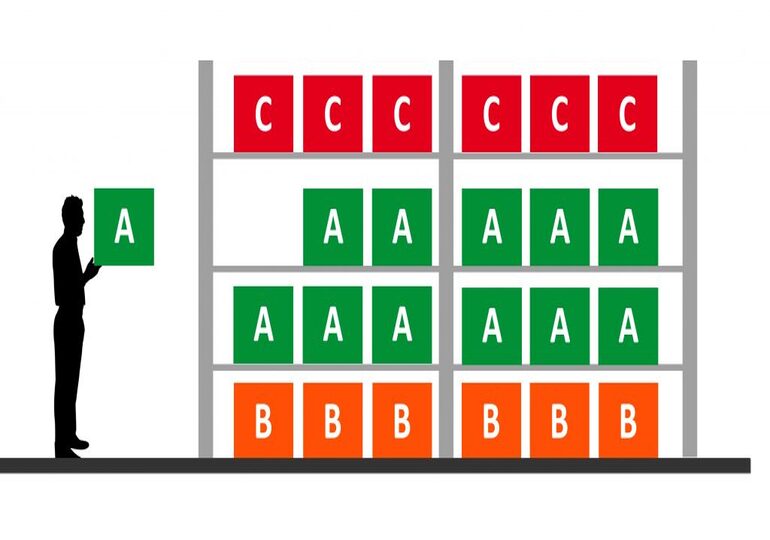
Categorizing inventory is essential in logistics. As you’ve seen, there are multiple ways to classify inventory types: by function, by expiry date, or by operational organization. You can also segment inventory by economic value (ABC analysis) or by its utility to the business (commercial vs. industrial).















































































































 January 25, 2026 - BY Admin