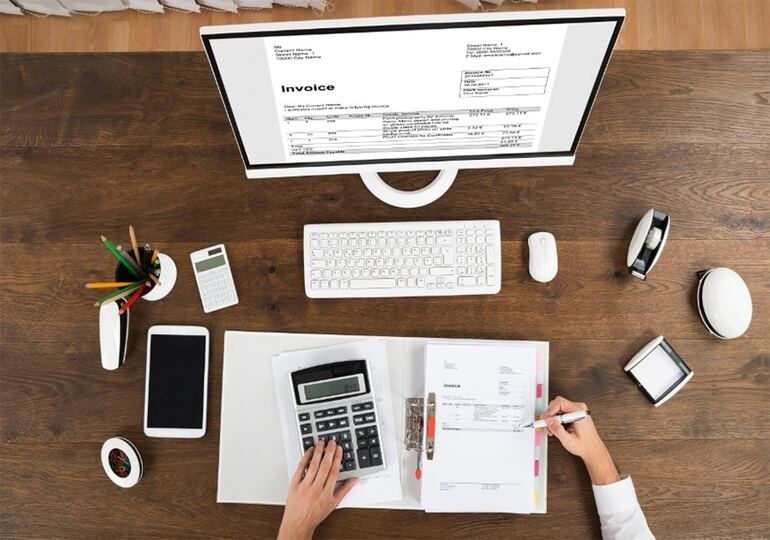
Invoice processing refers to the process a company follows to pay its suppliers or subcontractors. It begins when an invoice is received and ends when the corresponding amount has been paid and recorded in the general ledger.
An invoice is a request for payment. It typically lists the goods or services provided to a company, indicates the amount due, and specifies the payment deadline. Traditionally issued on paper, invoices can also be sent electronically.
There are several types of invoices:
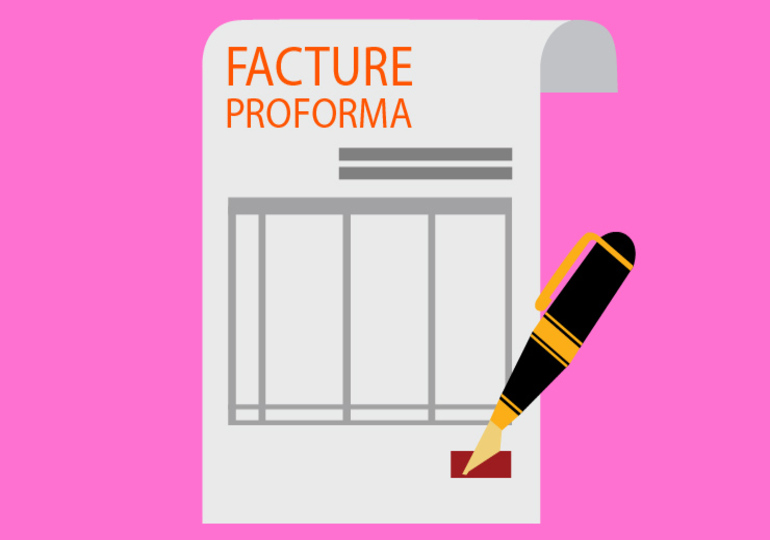
Pro forma invoices: estimates showing what will be invoiced once the service is performed or the goods are delivered.
Interim invoices: issued periodically for large-scale services or high amounts to spread payments over time.
Final invoices: indicate that the service has been completed or goods delivered and that payment is due.
Overdue invoices: reminders sent when a final invoice has not been paid on time; they may include late fees.
Recurring invoices: used for ongoing services, especially when the amount is the same for each billing period.
Small and medium-sized businesses may receive invoices by hand or email, after which accounting or payments staff issue checks or electronic payments based on cash flow and payment capacity.
Large companies with a dedicated accounting department often centralize invoice receipt and processing, tracking each invoice from receipt to payment.
Invoice processing is the first step handled by the accounting department. Invoices are received and matched with purchase orders to ensure that only what was ordered and received is billed, and that amounts are correct.
Companies usually implement:
Two-way matching: invoice matched with the purchase order.
Three-way matching: invoice matched with the purchase order and proof of receipt of goods/services.
While there is no single method that fits all companies, a typical process includes:
Verification: An employee compares the invoice with the purchase order and supporting documents (delivery notes, receipts). Any discrepancies are identified.
Approval routing: Verified invoices are forwarded to the accounting manager.
Recording: The accounting manager records invoices in the general ledger and schedules payment dates.
Authorization: The list of scheduled payments is sent to the finance manager for approval.
Payment: Payments are executed (checks or electronic transfers).
Invoice processing is critical for cash flow management. Standardizing the process helps ensure timely payments and can enable early-payment discounts offered by suppliers.
More importantly, proper invoice processing helps prevent fraud, reduce costly errors, and avoid late payments that can lead to penalties and interest. Without a structured process (matching purchase orders and receipts), fraudulent or incorrect invoices may go unnoticed.
As companies grow, automation becomes essential. Large organizations may process thousands of invoices annually; manual handling is time-consuming and error-prone.
Accounting software with optical character recognition (OCR) can scan documents, match invoices with purchase orders and receipts, and reduce manual work and verification time.
Integrating specialized solutions and machine learning can further speed up processing, improve payment accuracy, reduce human error, and prevent approval of fraudulent, incorrect, or duplicate invoices.




























































 January 25, 2026 - BY Admin