How to Manage Your Inventory Effectively?
5 Steps to a Successful Inventory
Every retailer is required to conduct an annual inventory. This ensures proper stock management. However, it's a tedious and rigorous task, and professionals don't always know how to approach it. Here are five steps to a successful inventory.
The French Commercial Code requires retailers to conduct an inventory at least once a year, at the end of the fiscal year, to physically verify the existence and value of the company's assets and liabilities. This tedious exercise can also be used to better manage stock levels. "Knowing for certain that physical stock matches theoretical stock allows you to be confident in your sales: there's nothing more frustrating than telling a customer that a product is in stock when it isn't," emphasizes Sophie Trebern, Retail Sales Representative at Fairson Inventaire. This also allows you to monitor for theft and ensure your inventory management system is functioning correctly. “Knowing what you have at any given time helps prevent losses, theft, and malfunctions. This is especially true if you manage multiple locations,” explains Laurent Delafontaine, co-founder of Axe Réseaux. Nathalie Menouard, a chartered accountant at ECL Direct, points out that an inventory allows you to identify damaged or outdated merchandise. This enables you to adjust the value of your stock accordingly, reflecting reality as closely as possible. While there are many reasons to conduct a thorough inventory, retailers don't always know how to approach it. Here are five steps to ensure your inventory is a success.
1- Find the right time
To be as accurate as possible, the inventory should be carried out close to the end of the fiscal year. “We know the closing date well in advance: as the date approaches, it’s time to close up shop to take inventory,” advises Nathalie Menouard. To best choose the morning, evening, or day for your inventory, don’t hesitate to study your store’s peak customer traffic times to schedule it for a time that will least disrupt business. “When we conduct inventories for our clients, our goal is to avoid encroaching on opening hours. For a morning inventory, we arrive as early as possible; for an evening inventory, we start with the stockroom and then tackle the sales floor once the store is closed,” explains Sophie Trebern (Fairson Inventory). The specialist also recommends conducting an inventory when stock levels are at their lowest, after sales or before the arrival of a new collection. This makes the job much easier!
2- Motivating Your Team
An inventory isn't something the store manager can do alone, especially if the stock is large: you need a team of inventory takers to speed things up and do a better job. This can be done by hiring students, using a specialized inventory company, or simply asking your employees to participate. “It's often a good idea to involve people from the store because they know their products and where the barcodes are located, for example. This allows you to go faster and make fewer mistakes,” says Sophie Trebern (Fairson Inventory). She gives the example of clothing sets, which can have barcodes on the top and bottom and are therefore a source of errors. But it's not always easy to motivate employees, especially if the inventory starts very early in the morning. “We need to make them understand that this work will help them and simplify their work later on,” suggests Sophie Trebern. This tedious task can also be transformed into a pleasant moment by bringing croissants and music. “Inventories are generally relaxed and can be an opportunity to have a good time with your teams,” says Nathalie Menouard (ECL Direct). Laurent Delafontaine, on the other hand, believes that it’s best to avoid involving store staff in order to uncover theft problems. “A dishonest employee could take advantage of the inventory to conceal their wrongdoing,” he notes.
3- Prepare the ground
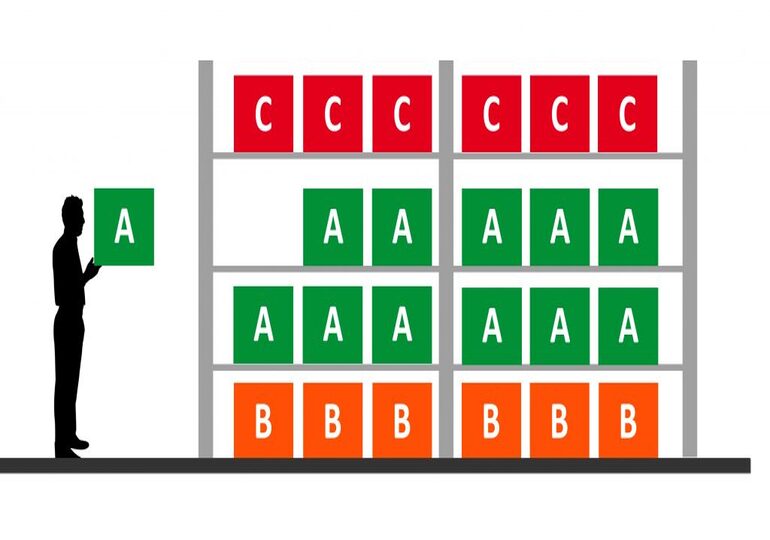
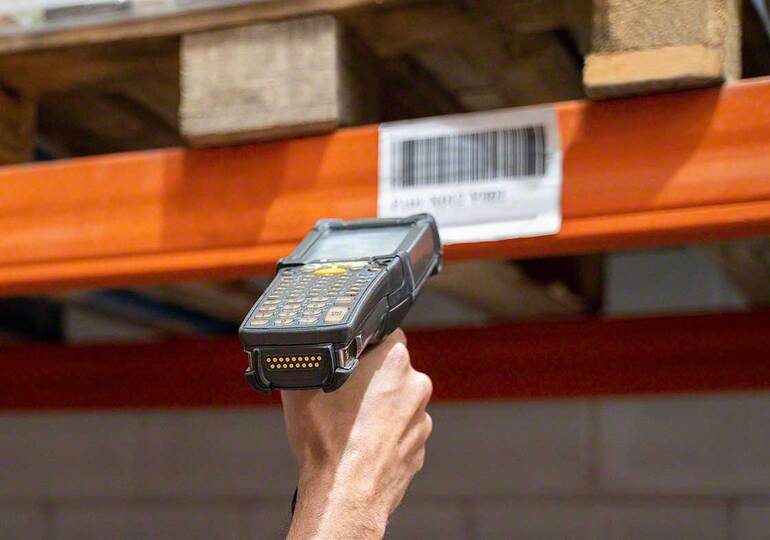
A successful inventory depends primarily on good preparation. Organize your stockroom and sales floor to facilitate the counting of products. Here again, the teams need to be involved a few days before the deadline to ensure that all products have barcodes, that these are easily accessible, etc. Another tip to facilitate the work: delimit zones to divide them up




















































































































 January 25, 2026 - BY Admin