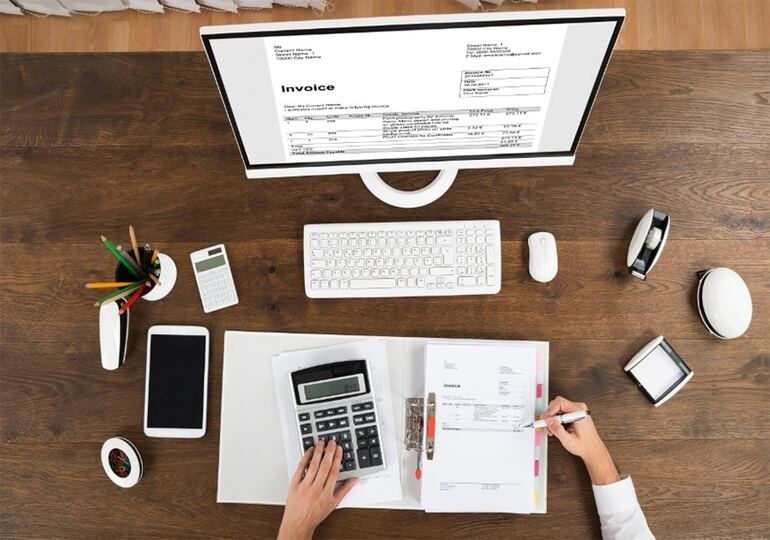
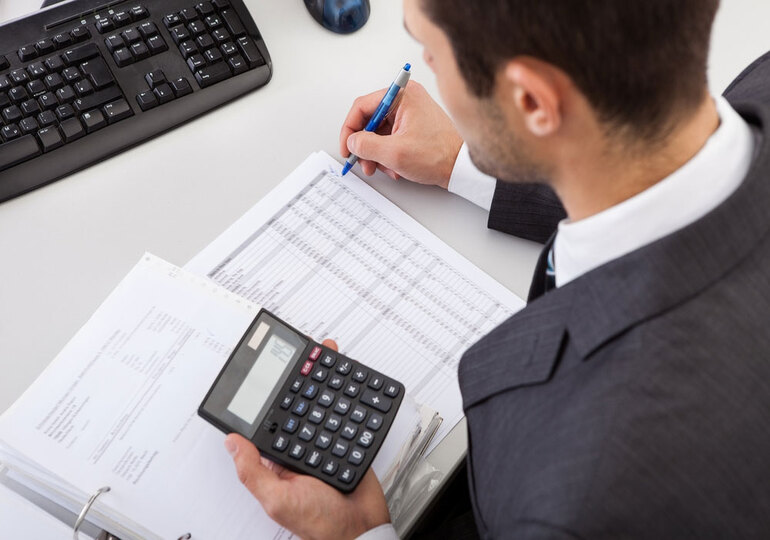
Any financial transaction that impacts a company’s accounts must be recorded in the accounting system. This applies both when the company issues an invoice and when it receives a supplier invoice.
When your company receives an invoice from a supplier, the first step is to check it carefully before recording it in your accounts.
As soon as a supplier invoice is received, you must ensure that it contains the following information:
Supplier and customer details (address, company name, SIREN number, etc.)
Invoice number
Invoice issue date
Description of the goods delivered or services provided
Delivery date of the goods or completion date of the service
Payment due date and late payment penalties
Amounts excluding tax (net), including tax (gross)
VAT rate
All these elements must appear on the invoice. If any are missing, the invoice is considered non-compliant and invalid. If everything is correct, you can proceed with payment.
Once the invoice has been paid, it must be recorded in the accounting system. To do this, three amounts must be identified:
The amount excluding tax (net)
The amount including tax (gross)
The VAT amount
If the invoice relates to the purchase of goods, the following accounting entries are made:
Debit account 607 “Purchases of goods” for the net amount
Debit account 44566 “Deductible VAT” for the VAT amount
Credit account 401 “Suppliers” for the gross amount
Other accounts may also be used depending on the nature of the purchase. For example:
Raw materials: account 601 or 607
Services: account 602 or 606
Additional costs, such as delivery charges, are generally included in account 607 “Purchases of goods”, although a specific account for ancillary costs may be created if desired.
For proper accounting of a supplier invoice, the entry must include:
The supplier invoice number and issue date
The debited account number
A description (label)
The transaction amount
Note: To ensure compliant accounting, it is essential to use the correct accounts. If in doubt, it is advisable to delegate this task to a professional.
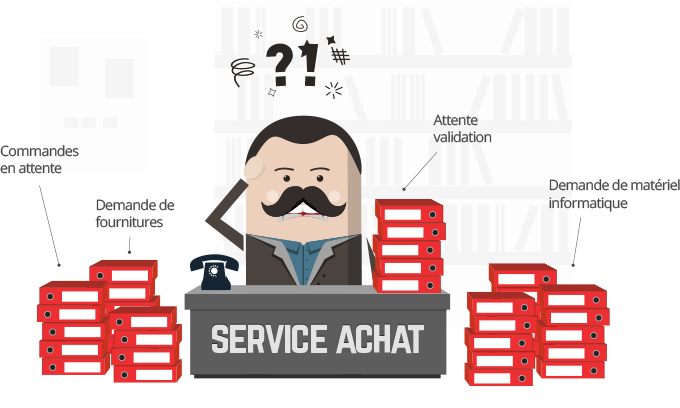
Although recording a supplier invoice may seem simple, it can be very time-consuming, especially when dealing with many suppliers. Here are two ways to simplify and optimize the process.
Once recorded, invoices must be kept for a minimum of 10 years. To retrieve them easily and maintain well-organized accounting records, it is recommended to classify invoices using an internal numbering system. They can then be stored in dedicated, numbered folders.
For greater efficiency, you can also use software that allows digital storage of all supplier invoices.
Good to know: There is no legal obligation regarding invoice classification. Each company is free to choose the system that best suits its organization.
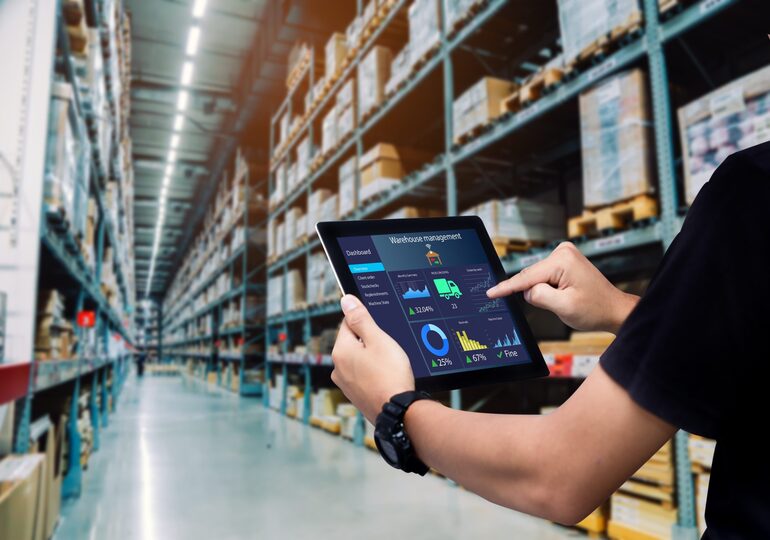
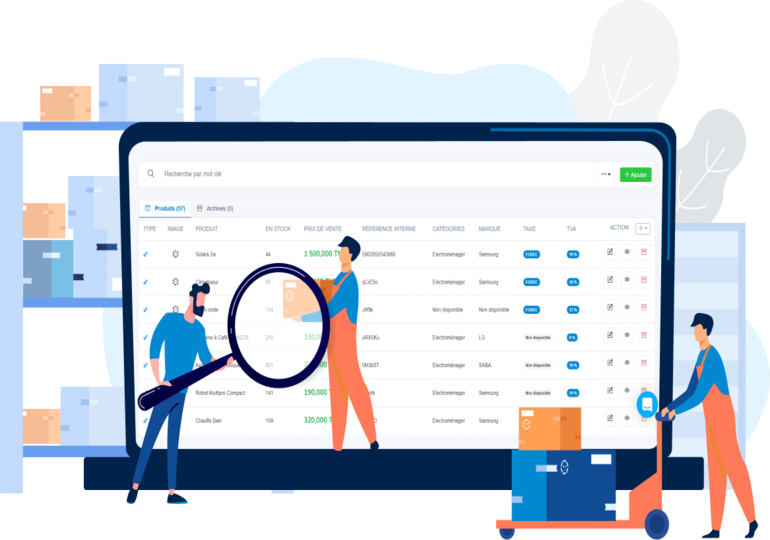
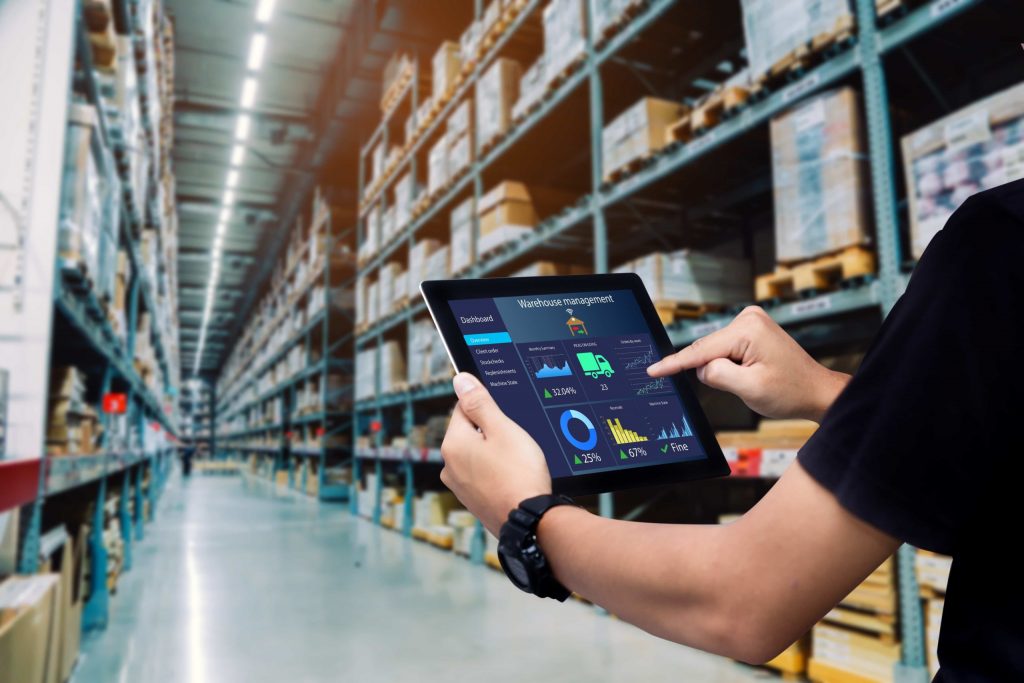
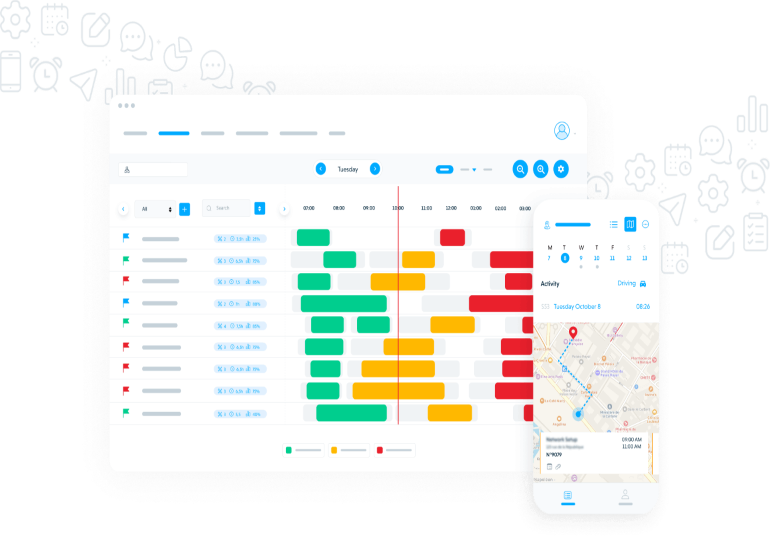
Manually entering each invoice is extremely time-consuming and adds little value. To simplify the process, you can rely on your accounting software or adopt a dedicated digital solution for supplier invoice management.
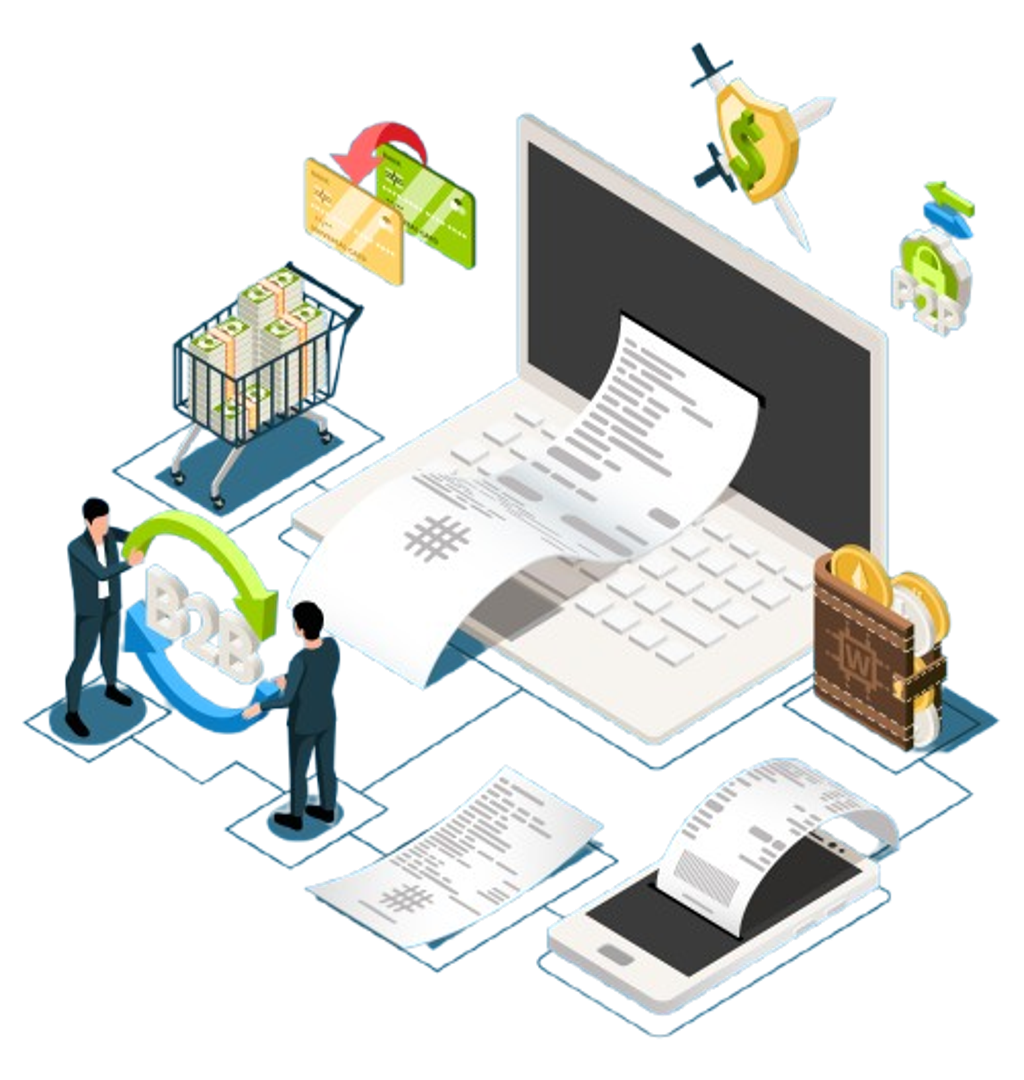
Such tools help save time, improve cash flow control, automate invoice processing and payments, centralize invoices in one platform, and transfer accounting entries directly into accounting software (e.g., QuickBooks, Cegid), avoiding duplicate data entry.































































 January 25, 2026 - BY Admin