Good financial management is a universal need. Whether you’re an entrepreneur, an employee, or an individual, you must maintain strong control over your cash flow to successfully achieve your goals as quickly as possible. While financial management is essential to life success, it’s often perceived as a heavy burden and a difficult task—especially for those unfamiliar with it. Yet, just like in any field of study, anyone can learn the basics needed to take charge of their finances. Below are practical tips to help you achieve sound financial management.
Let’s face it upfront: debt is a major obstacle to financial independence. In most cases, it complicates financial management and reduces purchasing power. Few people enjoy feeling constrained by limited financial resources, and many are tempted to use credit to cover certain expenses. However, this solution is often dangerous. Over time, stress builds up, making it difficult—if not impossible—to focus on life goals. An effective debt-reduction plan should be implemented quickly to avoid over-indebtedness.
To achieve healthy financial management, list all your debts (credit cards, loans, bills, etc.). Once this is done, you’ll know the exact total you owe. You can then create a plan to repay your debts as soon as possible. If your total debt exceeds your income, you’ll need to make significant adjustments—such as cutting small discretionary expenses (movies, shopping, etc.)—to free up funds for debt repayment. If you have multiple debts, consider paying the minimum on larger loans while focusing extra payments on the smallest debt first. This “debt snowball” method allows you to eliminate smaller balances quickly, providing motivation to tackle the rest. If your situation becomes unmanageable, you might consider filing for personal bankruptcy, which can discharge most debts in exchange for surrendering certain assets. This helps you avoid:
Once your debts are under control, create a net worth statement to clearly understand your financial position. Though this may seem tedious, it’s manageable with a few simple steps. Predefined templates can help you track your "net worth" at any time.
As an individual, you can choose any date to review your assets. Typically, this includes:
For sound financial management, review your net worth once or twice a year. The more regularly you inventory your assets, the better you can track the evolution of your personal wealth.
To control spending, it’s essential to create a forecast budget—a tool that lists all expected income and expenses to support sound financial management. Contrary to common belief, a forecast budget isn’t based on vague estimates. Instead, it uses real data to project finances over a specific period, enabling you to develop realistic personal growth plans and assess the feasibility of your projects. Keep in mind that projections may vary over time, as they are only estimates—but it’s your responsibility to balance your finances as closely as possible.
To build an accurate forecast budget, review your monthly statements and saved bills. Then calculate income and expenses using a simple template. If the result is negative, identify non-essential expenses to cut and achieve a balanced budget. If positive, consider saving, investing, or both—to grow your assets over time.
While a well-planned budget helps balance income and expenses, it also enables you to set realistic savings goals for long-term peace of mind. Savings act as a buffer for financial stability, and making smart choices is key to maximizing its benefits. Remember: the amount saved matters less than the savings rate. For example, someone earning €1,200/month who saves €150 has a 12.5% savings rate—far healthier than someone earning €6,000/month but saving only €300 (5%).
Aim to save at least three months’ worth of income as an emergency fund. This liquid reserve protects against life risks (income loss, emergencies, etc.) and ensures long-term financial autonomy. It also covers fixed obligations (condo fees, taxes, etc.) and can fund mid-term goals (career change, real estate, etc.).
For healthy financial management, spend only what you’ve allocated for the current month. If you habitually buy on credit chasing a “good deal,” you risk falling into a financial pitfall—often without realizing it immediately.
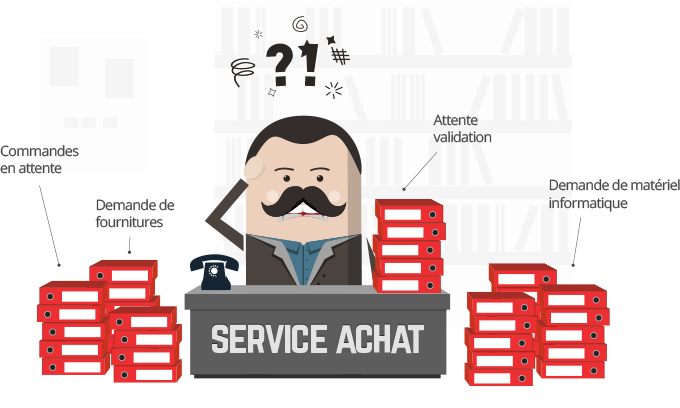
One creditor here, another there—and before you know it, you’re deeply in debt.
Take control before it’s too late!
Whether you’re an employee or self-employed, understanding your monthly fixed costs is crucial for sound financial management. Yet, we often underestimate them. When totaled, fixed expenses can exceed 70% of your budget—leading to frustration and financial stress.
To fix this, implement an effective strategy to reduce this burden. Start by listing essential expenses (rent, food, transport, utilities). Then add secondary costs (subscriptions, snacks, dining out, travel). Finally, sum them up and record the total.
When juggling multiple bills, it’s tempting to delay payments to address urgent needs. Sometimes, this procrastination stems from reluctance to pay suppliers or the government early. However, this approach often derails your financial plans. You may divert funds meant for budgeted items, leading to stress when unexpected obligations arise.
By scheduling all monthly payments in advance, you honor your commitments consistently. While tracking expenses in your bank ledger is important, discipline is key. This ensures you can cover all expected expenses and resist the urge to misuse allocated funds.
To ensure sound financial management, monitor your daily income and cash payments. Several tools can help: a traditional spreadsheet, online accounting software, or even a virtual financial manager.
Beyond regular monitoring, systematizing your cash flows reduces errors in budgeting and forecasting. Today, digital tools are nearly essential—even for individuals—for effective cash flow management. Reliable financial software can simplify banking and support quick, informed decisions. Just remember: these solutions come at a cost.
 Deferred debit cards are praised for convenience but rarely support healthy financial habits. They represent debt owed to your bank, distorting your perception of available funds. Depending on your bank’s reporting cycle, you may not see your true balance until after payday—increasing the risk of overspending and accumulating debt. If you must use them, reserve them strictly for business expenses you’ll be reimbursed for.
Similarly, credit cards offer benefits but require caution. They’re issued under a credit agreement—always read the terms before signing. Use them only after carefully assessing your actual credit needs (not desires) and solvency. To avoid interest charges, pay your full balance before the due date. Whenever possible, minimize the number of credit cards you hold to reduce debt exposure.
 Even if you follow all the advice above, achieving your goals may still require professional support. Your bank advisor, as a financial expert, can help you make informed decisions to better manage your cash flow. Rather than viewing your banker as an adversary, treat them as a trusted partner in realizing your dreams without accumulating debt. The more comfortable your banker feels with you, the more likely they are to offer tailored financing solutions. If you struggle to build this relationship, consider working with a financial coach.
Achieving sound financial management is a common goal. By applying the tips in this article, you can gain better control over your cash flow and accomplish your projects faster than ever.












































































































 January 25, 2026 - BY Admin