How to Avoid Inventory Management Mistakes
For a manufacturer, wholesaler, distributor, or retailer, good inventory management protects the company's potential revenue.
Suboptimal management practices facilitate losses, theft, and can lead to costly errors. To help you avoid many problems, here are some common inventory management mistakes (and solutions to correct them).
Mistake 1: Relying on an Excel spreadsheet
A spreadsheet can accomplish many things in a business, but not effectively manage inventory. Excel may be suitable for a company with very little stock, but not for an organization of any significant size.
An Excel inventory management spreadsheet:
Is extremely time-consuming to update manually (and manual data entry means a high potential for error).
Does not allow you to know the actual quantities between updates (so you cannot rely on it at all times).
Hinders decision-making. Because it doesn't maintain an accurate history of inventory movements, it doesn't allow you to track trends and make informed purchasing decisions.
If your inventory is even slightly complex, invest in proper inventory management software. You'll definitely benefit.
Mistake 2: Assigning SKUs without much thought:
One of the first things to do to properly structure an inventory is to assign a unique identifier (called a SKU) to each product.
A clear SKU system is an essential component of effective inventory management. However, many companies make the mistake of not establishing guidelines before assigning identifiers to their products. The result is usually chaotic and opens the door to errors.
There are all sorts of tricks you can use to create useful SKUs that contribute to the smooth operation of an inventory system. To learn more, we invite you to consult the article we published on this topic.
Mistake 3: Neglecting to Count Received Goods
From ordering with your supplier to delivery at your door, there are many handling steps during which errors can occur. For this reason, it is always essential to accurately count the quantities received.
Of all the possible causes of inventory errors, receiving is probably the one over which you have the most control (compared to shoplifting, internal theft, cash register errors, etc.). All it takes is a little diligence!
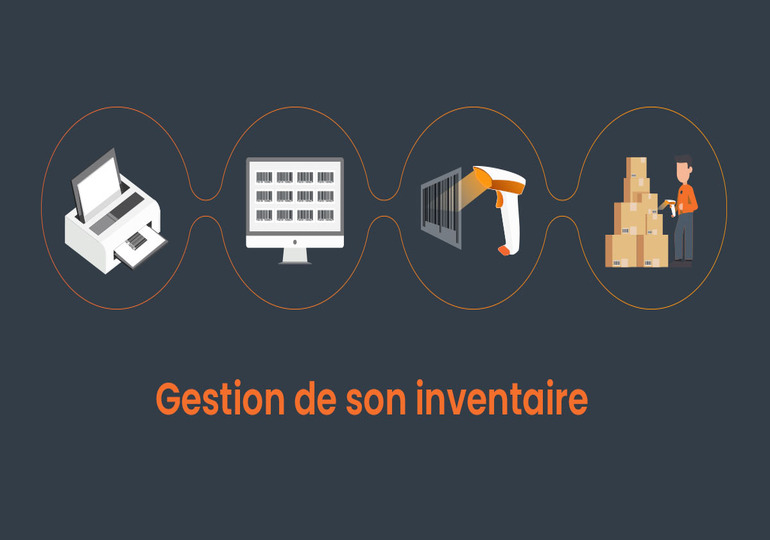
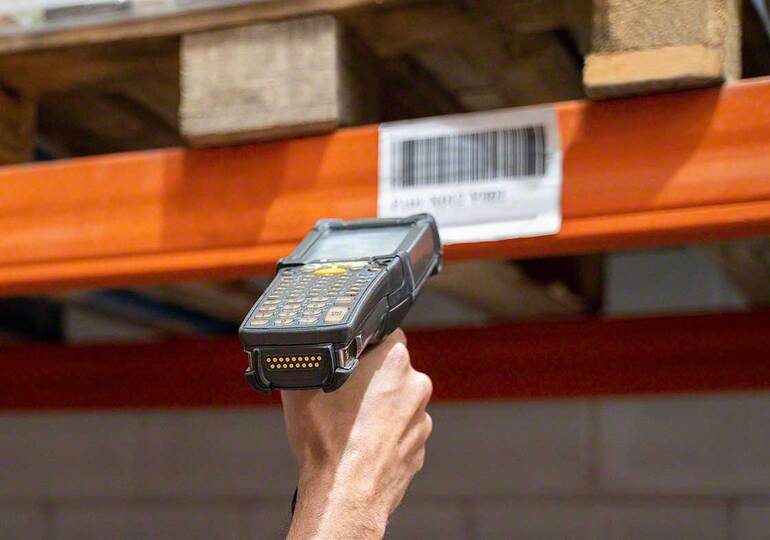
If you receive several deliveries each week, consider investing in a mobile barcode scanning system. Such a system will help you ensure the accuracy of the goods received and will speed up the receiving process. In addition, it will assist you with the rest of your daily tasks: inventory counts, adjustments, price verifications, etc.
Mistake 4: Letting each branch manage its inventory independently
For a company with multiple branches, each managing its own inventory, it's crucial to ensure that managers are all using the same methods.
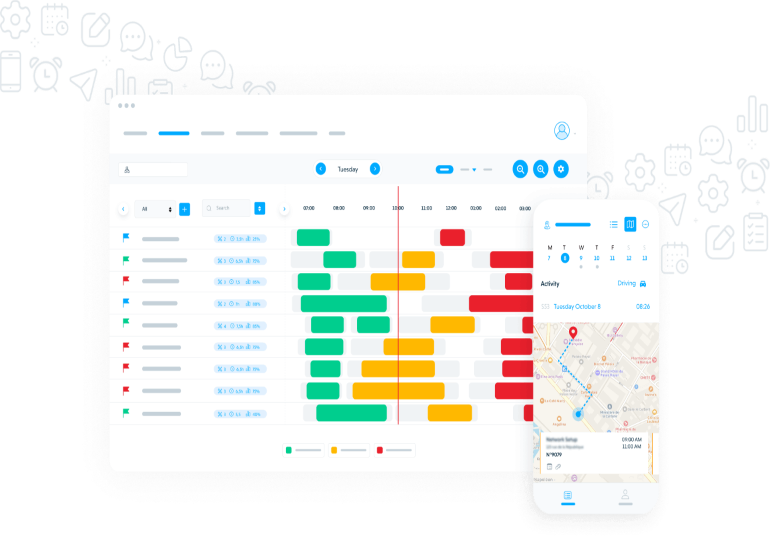
To promote consistency across locations, it can be helpful to implement a management tool that links branch inventory, allows you to check product availability in each store, monitor orders, and more.
Mistake 5: Losing revenue due to preventable stockouts
When events beyond your control occur, such as supply chain disruptions or sudden, unexpected demand for a product, stockouts can be difficult to avoid.
However, under normal circumstances, stockouts can be prevented by adopting sound inventory management practices to order the right quantities of the right items at the right time.
Regardless of the inventory management method you choose, several of the tips presented in this article can help you avoid stockouts:
Using specialized software rather than an Excel spreadsheet will help you make more informed purchasing decisions (and will allow you to set custom inventory levels and automatically integrate your purchases with your inventory and accounting).
Accurately counting your received merchandise will help you have reliable data on which to base your decisions.
Standardizing and linking the inventories of all your branches will facilitate merchandise transfers from one branch to another when needed.
To avoid errors, it's best to work with the right tools.
Managing your inventory is probably not the most exciting part of your job.



















































































































 January 25, 2026 - BY Admin