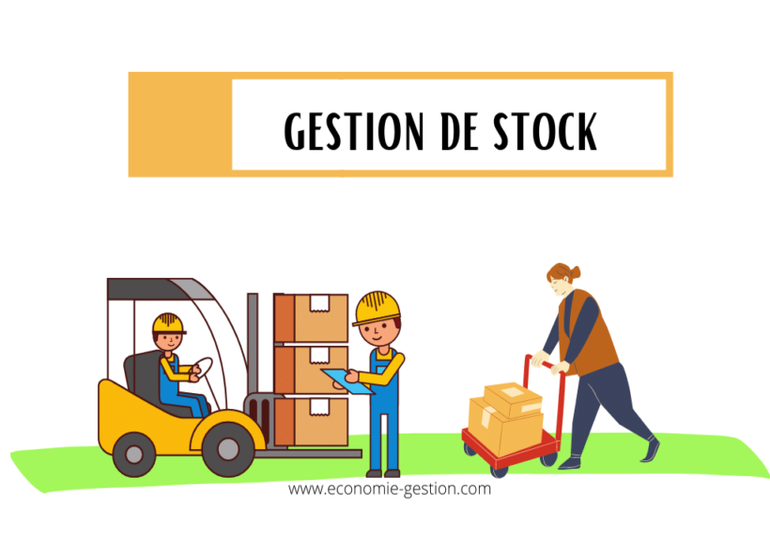
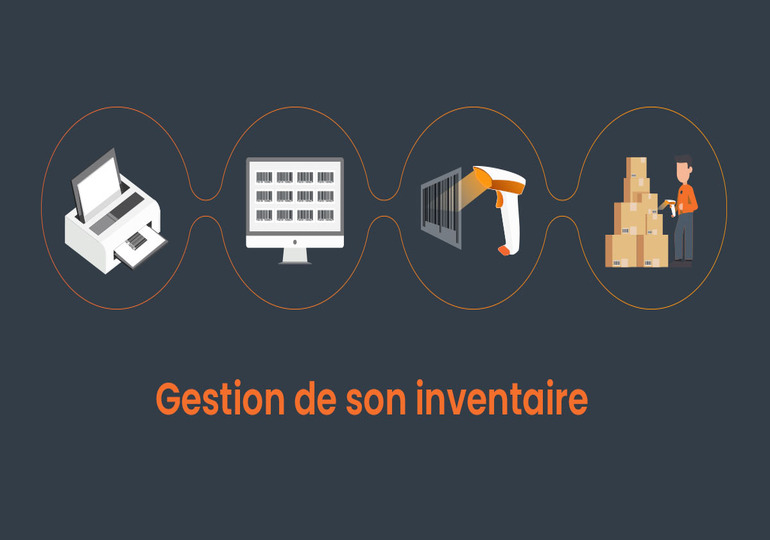
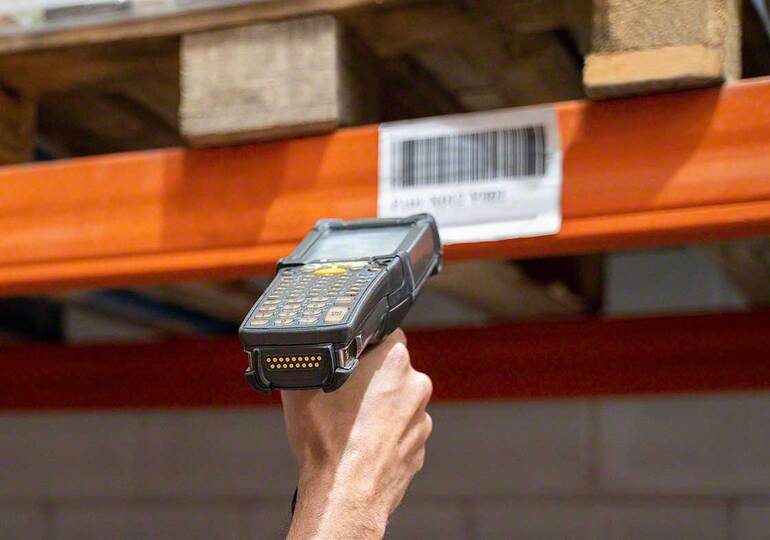
Inventory management is particularly critical for businesses, as inventory (raw materials, consumables, finished goods, etc.) ties up cash flow, and its proper handling directly impacts smooth production operations. Moreover, storage conditions can affect the quality of finished products! Business owners must therefore pay close attention to optimizing inventory management.
Valoxy, an accounting firm based in Hauts-de-France, explains more:
Inventory enables a company to meet customer demand within a very short timeframe. This allows the business to deliver quickly to customers and thereby increase sales. However, the costs associated with inventory management should not be overlooked, as they can sometimes prove higher than expected: handling costs, storage costs, obsolescence costs, not to mention the cash flow tied up in inventory. Additional expenses also arise from financing costs linked to inventory and the resulting opportunity cost (e.g., bank interest).
Furthermore, to maintain inventory levels aligned with business needs, companies may use specific inventory valuation methods such as “First In, First Out” (FIFO), “Last In, First Out” (LIFO), or the Weighted Average Cost Method (WAC). It is essential for any business leader seeking to optimize inventory management to choose the right method.
Optimizing a company’s inventory requires having the right quantity of finished goods available at the right time. A business owner must ensure sufficient stock if continuous production cannot be guaranteed. Conversely, holding excessive inventory increases carrying costs and leads to depreciation over time.
Thus, the goal is simply to strike the right balance—maximizing profit while minimizing costs , though this is not always straightforward. Businesses can implement forecasting tools to help managers better control their inventory levels.
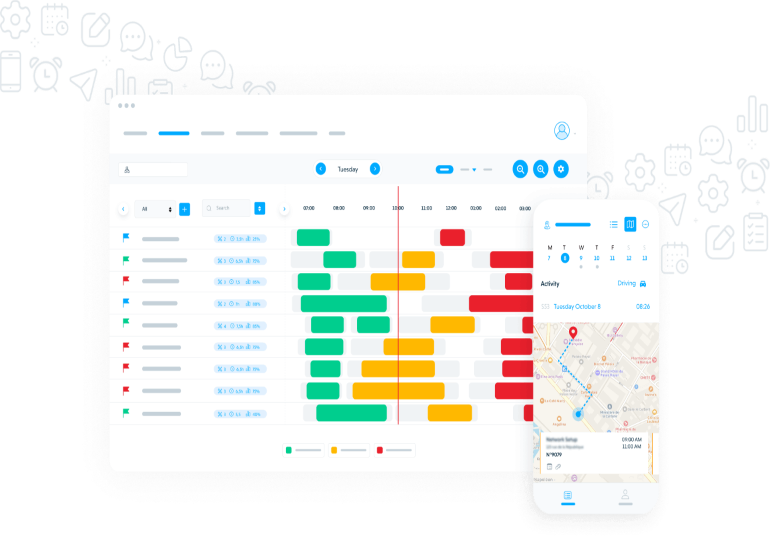
Digital tools can deliver excellent results.
For example, e-commerce and direct-to-consumer businesses use specialized software to optimize inventory while offering 24- to 48-hour delivery to customers. Therefore, inventory management is essential for operational efficiency, and businesses must balance often conflicting priorities:
An increasing number of businesses are adopting the Just-in-Time (JIT) approach, also known as “zero inventory.” A company using JIT waits to receive a customer order before procuring materials or initiating production. This model is common in the automotive industry. Today, when someone purchases a car from a dealership, they typically don’t receive it immediately—they must place an order first, as manufacturers usually do not keep vehicles in stock.
Using this inventory management method benefits the company by significantly reducing—or even eliminating—storage costs. Additionally, the Just-in-Time method minimizes waste and enhances the quality of finished products.
While “zero inventory” can be advantageous, it is only suitable if aligned with the company’s business model and operational structure.














































































































 January 25, 2026 - BY Admin